The Best Chinese Cars You’ve Never Heard Of
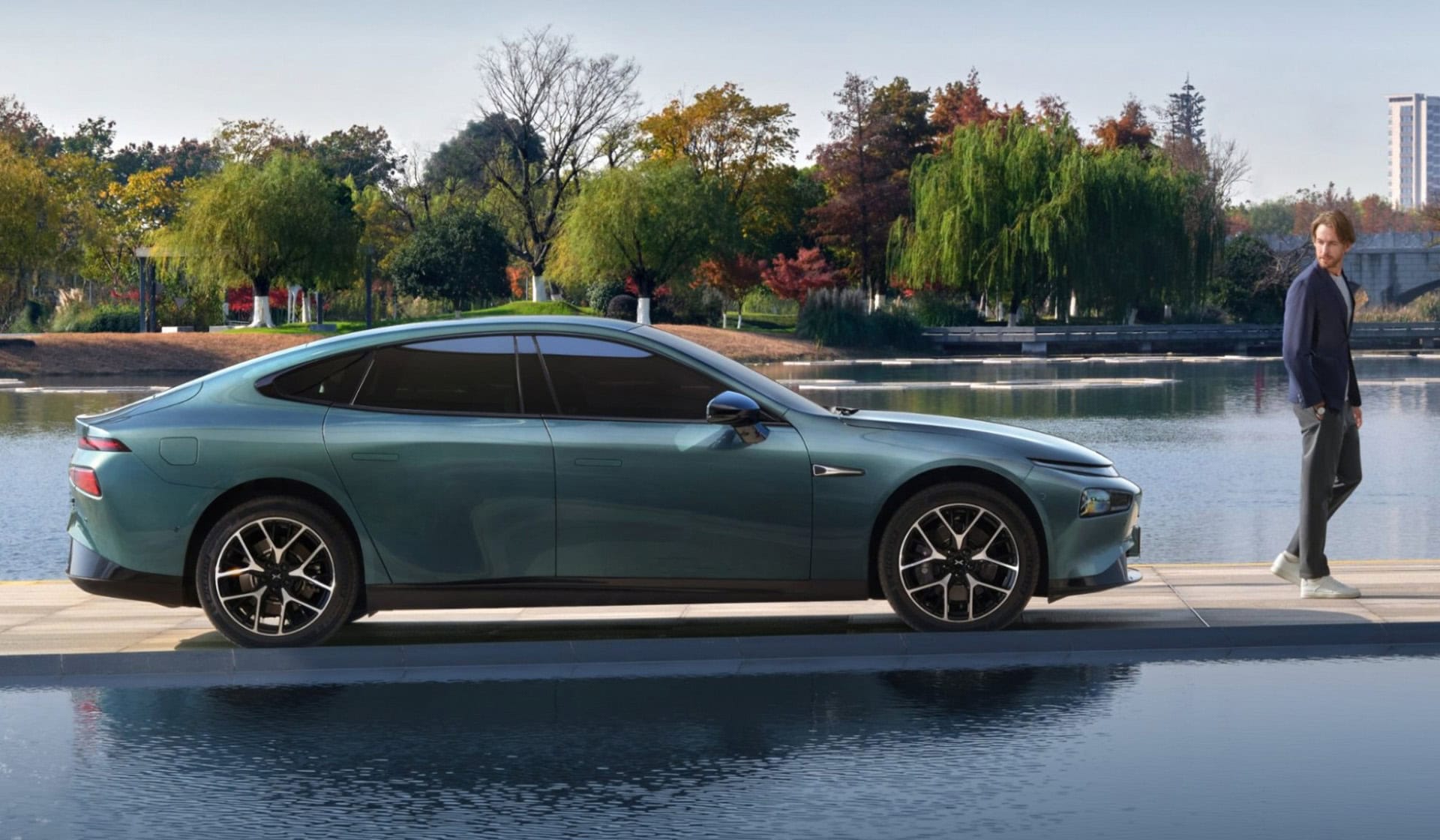
There’s no shortage of chatter about how China is poised to dominate the global car industry, especially in the electric space. But is it all noise, or should the established carmakers be losing sleep? Perhaps a bit of both. For now, it’s sensible to take the hype with a pinch of salt — yet there’s no denying that a handful of these new brands genuinely know what they’re doing.
Most of the best Chinese EVs have yet to reach European shores, with manufacturers keeping their flagship models for the domestic market. But it’s only a matter of time before that changes. So, before they begin flooding Western showrooms, here are five of the most impressive Chinese electric cars you’ve probably never heard of — plus an honourable mention that already has customers queuing for years.
Xiaomi SU7 Ultra
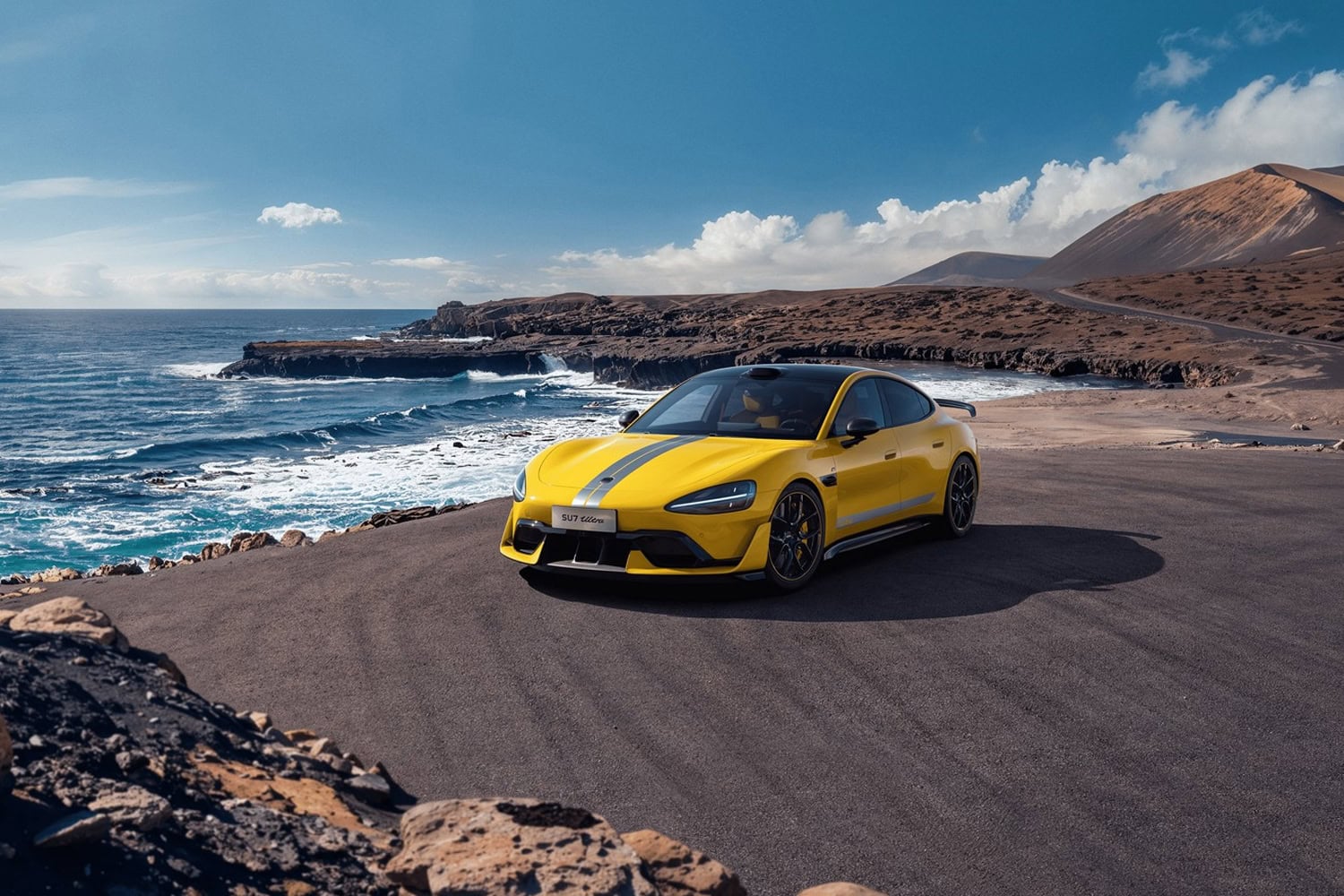
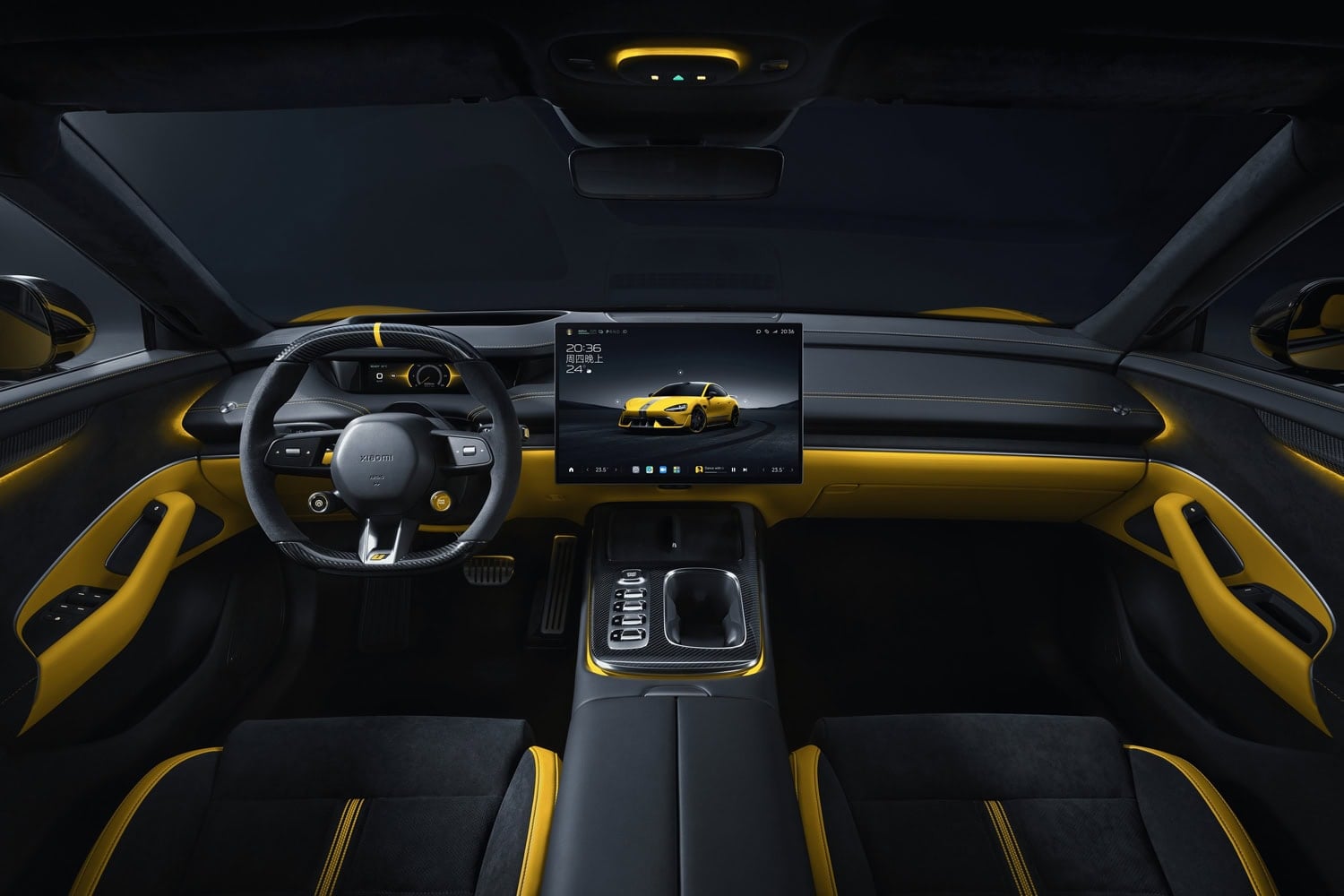
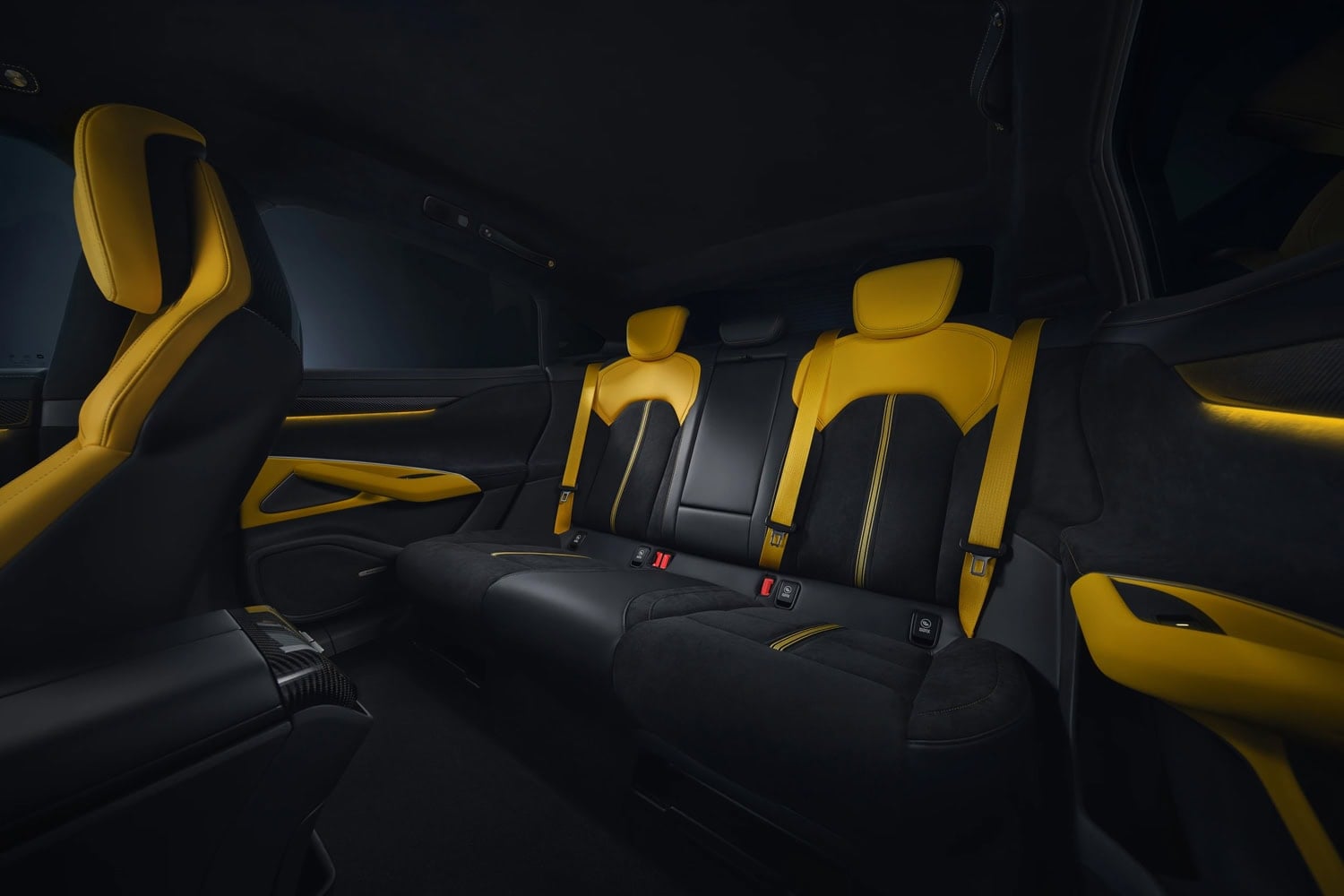
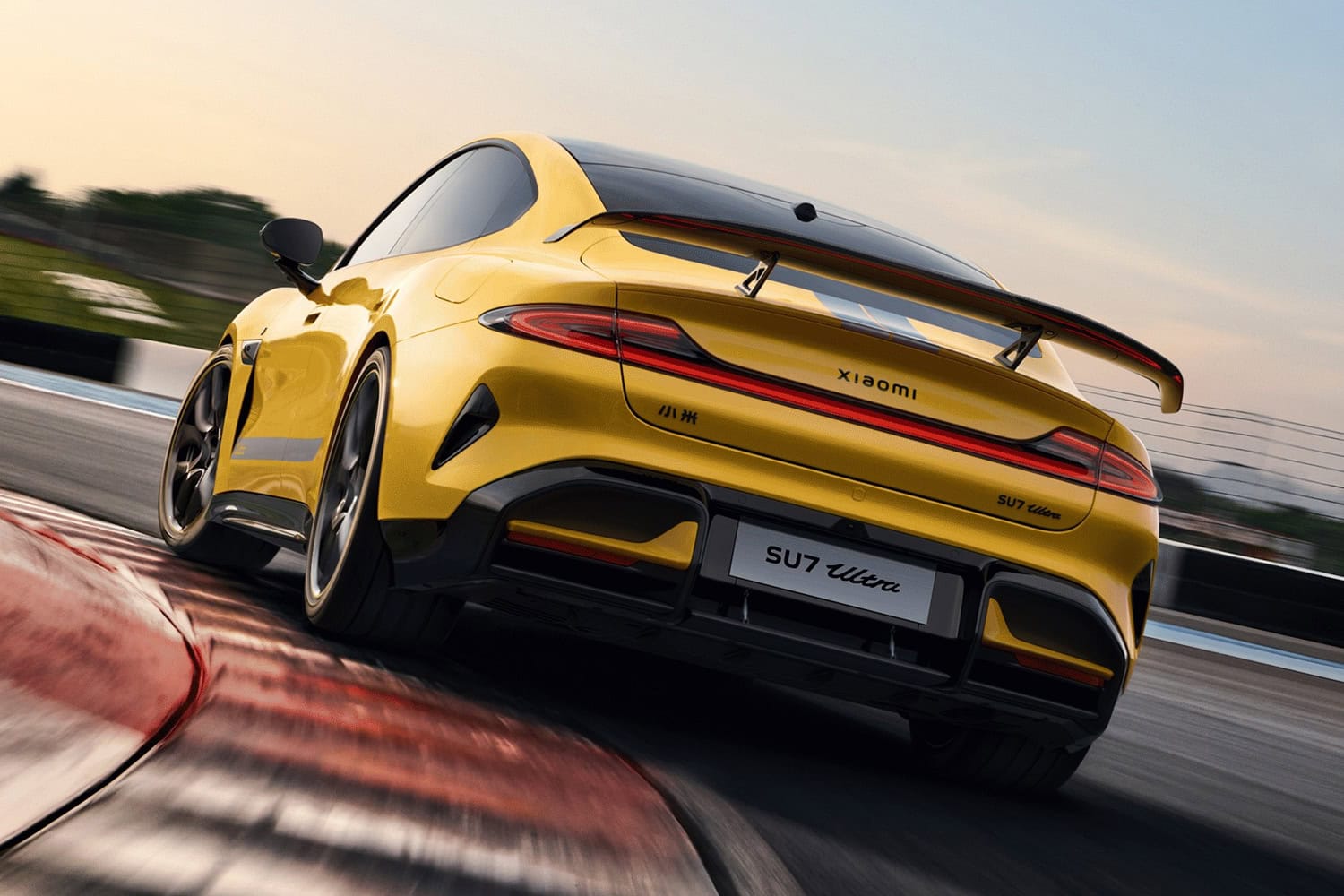
When Chinese tech behemoth Xiaomi announced it was entering the car market, the world didn’t take much notice. After all, big names like Apple and Dyson had tried and failed. But Xiaomi didn’t flinch — and when its first model, the SU7, finally launched, it made an immediate impact.
Developed in partnership with battery giant CATL, the four-door electric saloon instantly grabbed attention. It borrowed some of Tesla’s formula — fast, minimalist, software-led — but focused just as much on refinement, handling and build quality. It was an EV aimed not just at the tech crowd, but at people who actually enjoy driving.
Then came the SU7 Ultra: a full-bore performance version that smashed the Porsche Taycan’s Nürburgring lap record with time to spare. Producing 1,527bhp, a top speed of 217mph and a 0–62mph time of under two seconds, it’s absurdly quick. Yet it also rides beautifully and feels solidly engineered. With Xiaomi planning a European launch within two years, the legacy players should be paying close attention.
Nio ET9
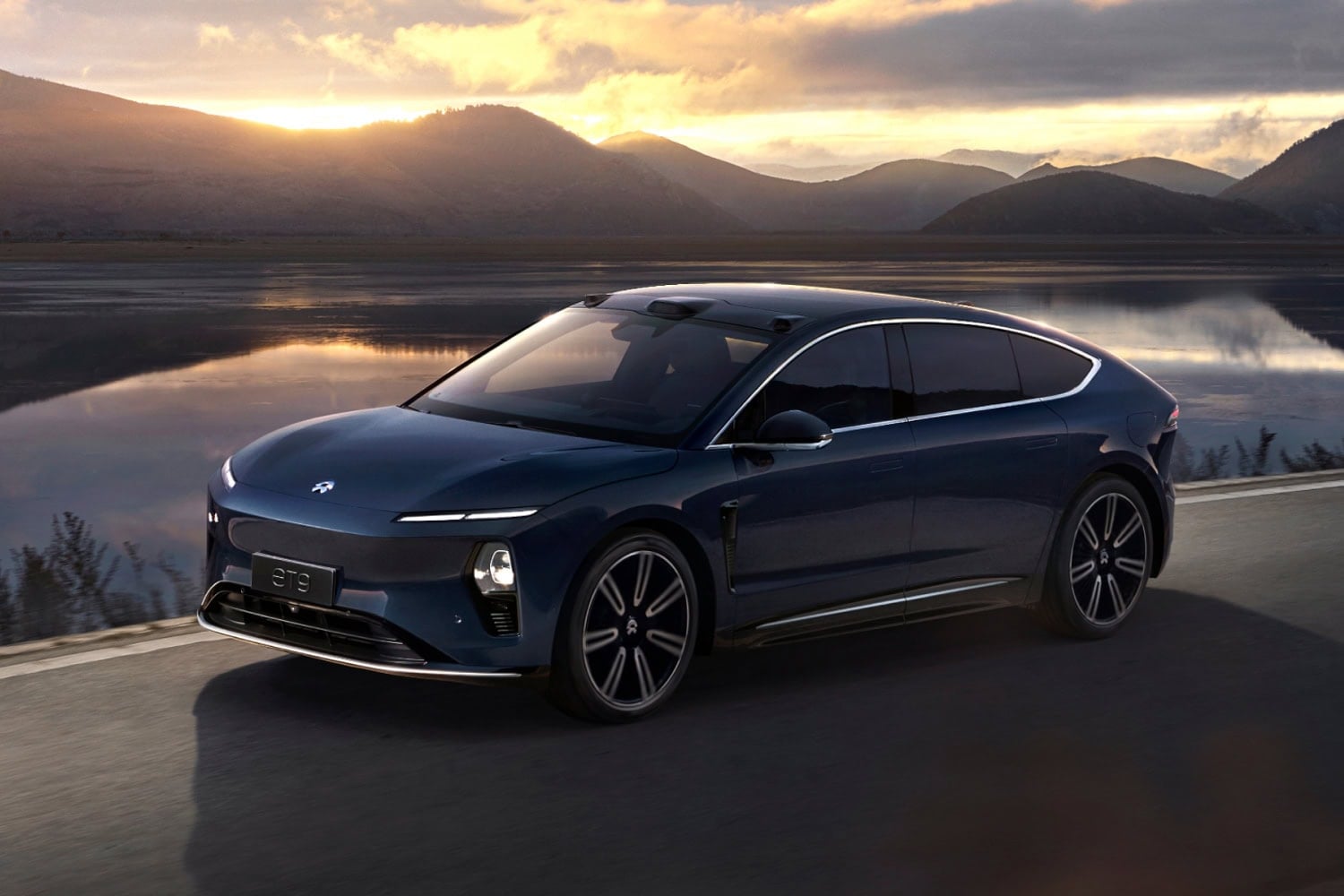
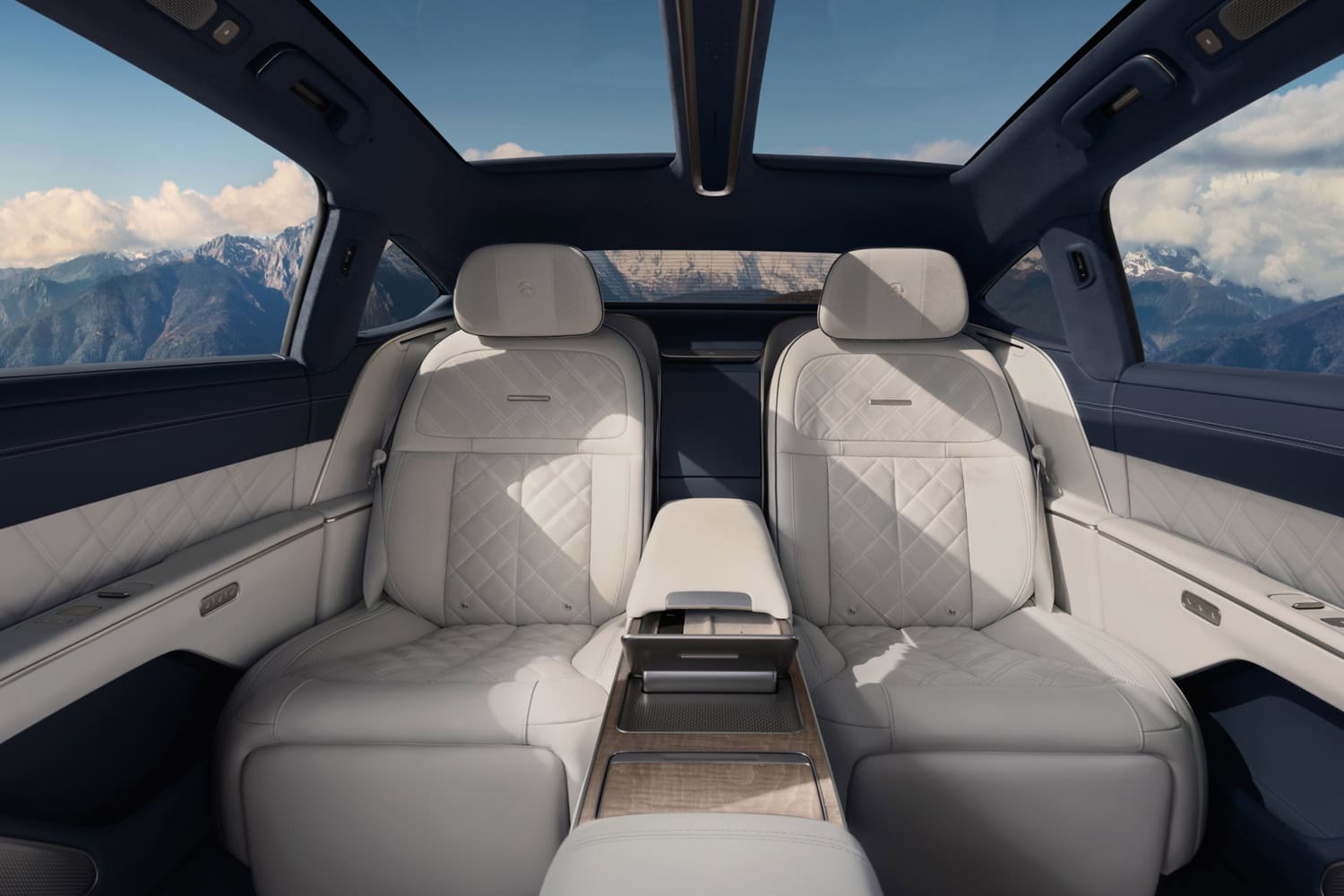
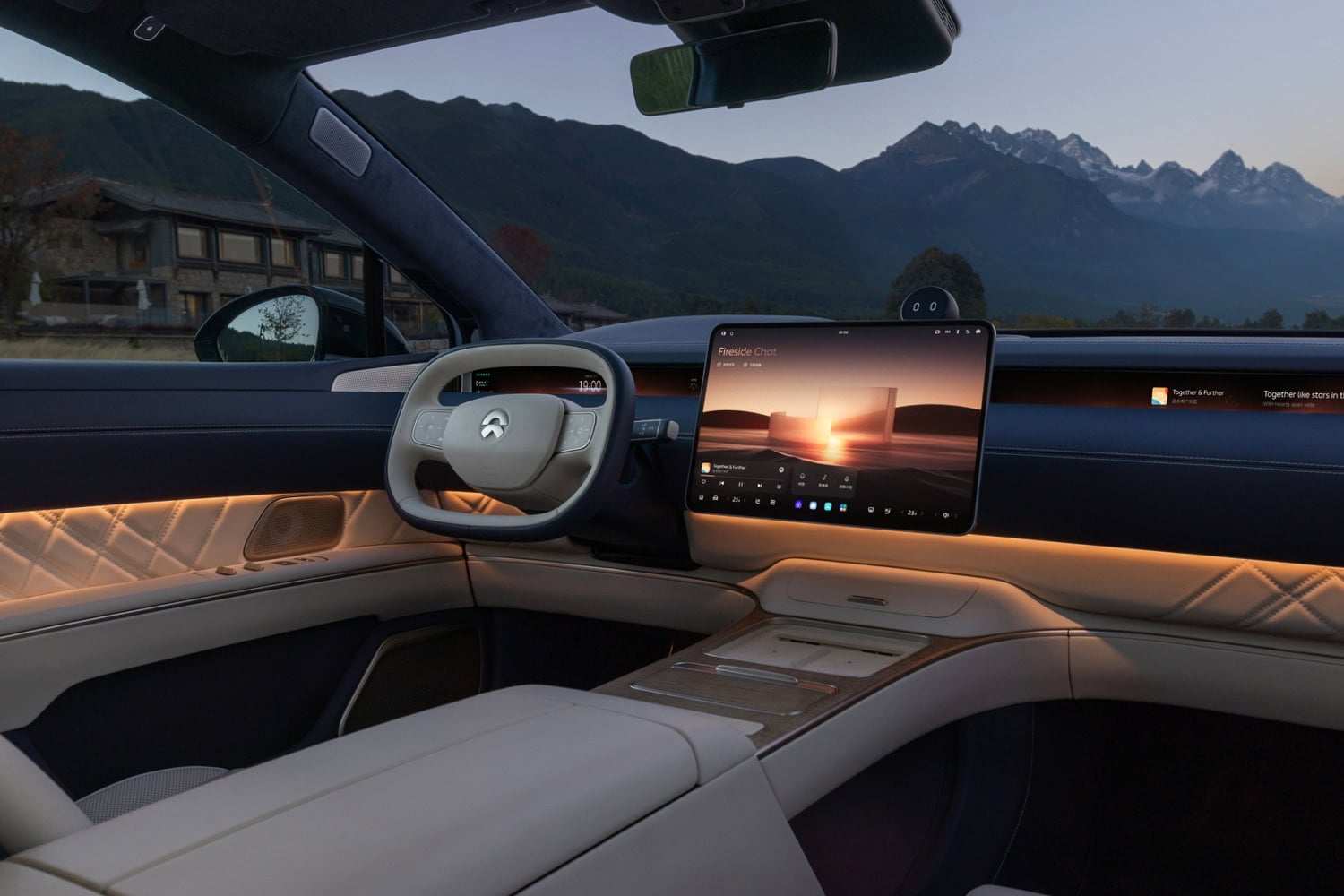
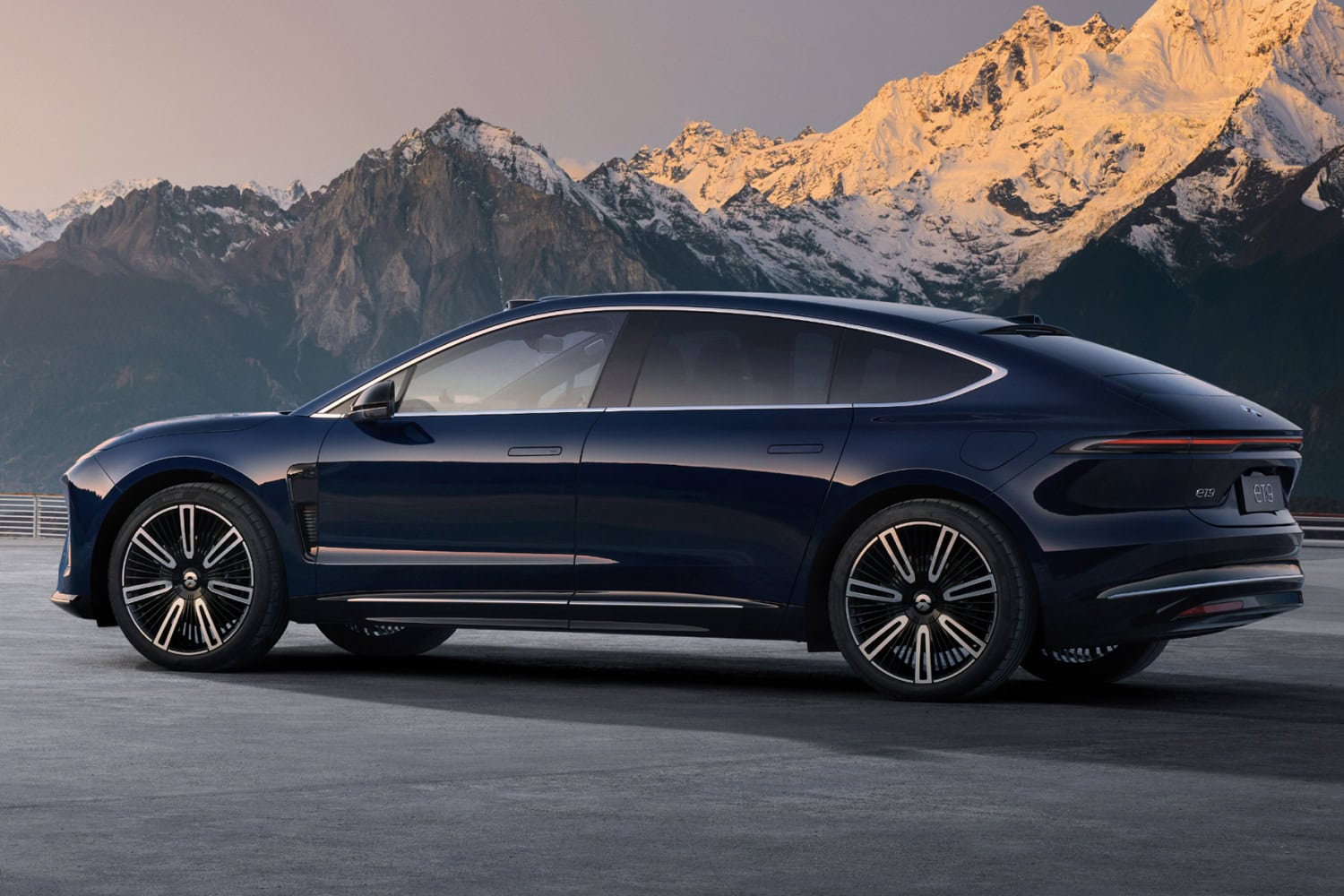
If Xiaomi burst onto the scene, Nio took a slower, more deliberate route — but the result has been equally significant. Nio was one of the first clean-sheet Chinese car brands to merge the precision of consumer electronics with luxury automotive design. It helped create the blueprint for a new generation of premium Chinese EVs.
Sleek, simple and tech-heavy, Nio’s cars emphasise restraint and sophistication. Since launching in Europe, the company has built a loyal following, even if sales volumes remain modest. The ET9, however, is a different beast altogether. Designed exclusively for China (for now), it’s a fastback rival to the Mercedes S-Class, packed with technology but priced far lower.
It features fully active suspension, rear-wheel steering and Nio’s trademark battery-swapping system — allowing a full recharge in minutes rather than hours. The brand also leads the way in LiDAR-assisted autonomous driving, a field where Western manufacturers are still catching up. The ET9’s mix of design, innovation and practicality sums up why Chinese EVs are no longer a punchline — they’re a warning shot.
Li Auto Mega
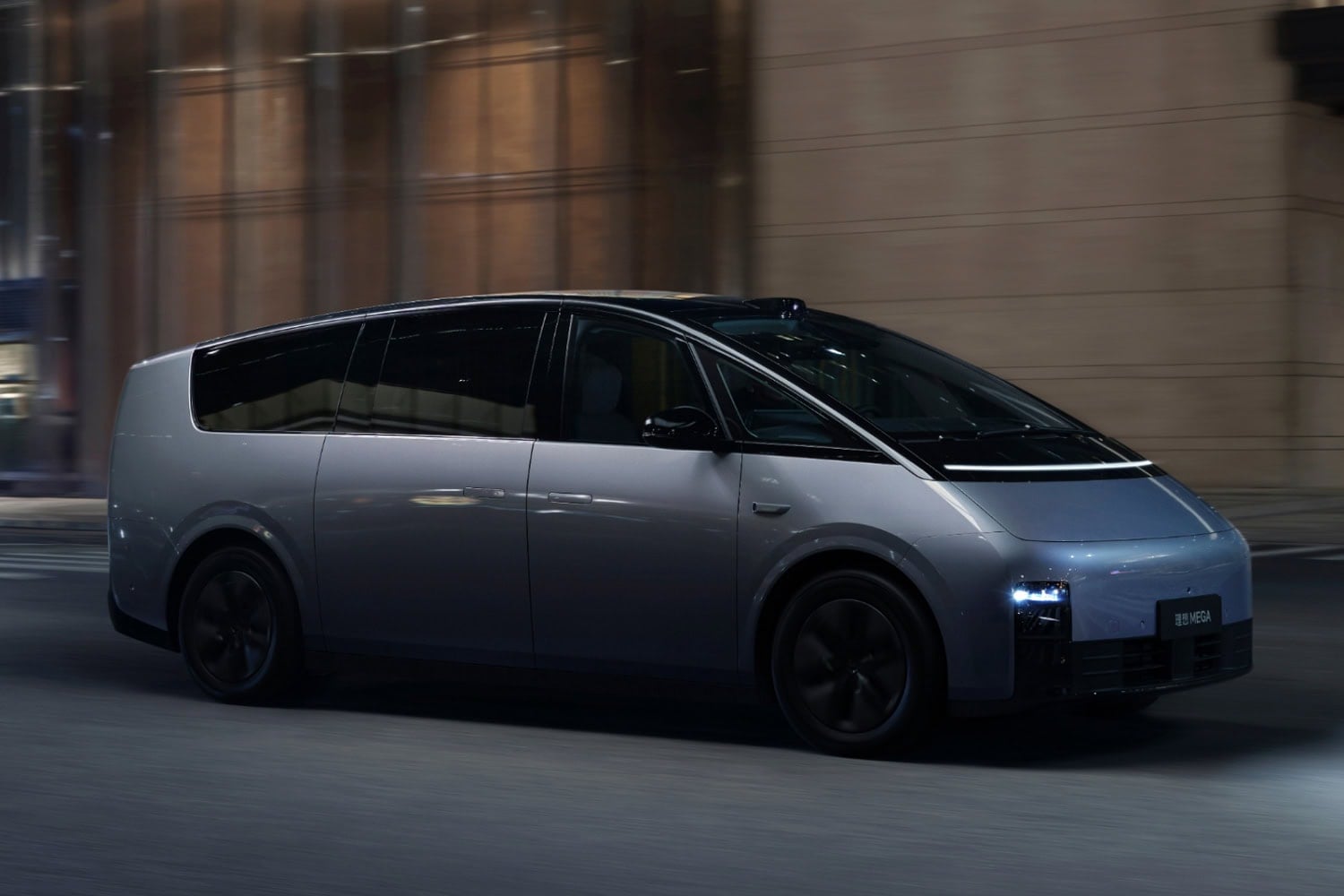
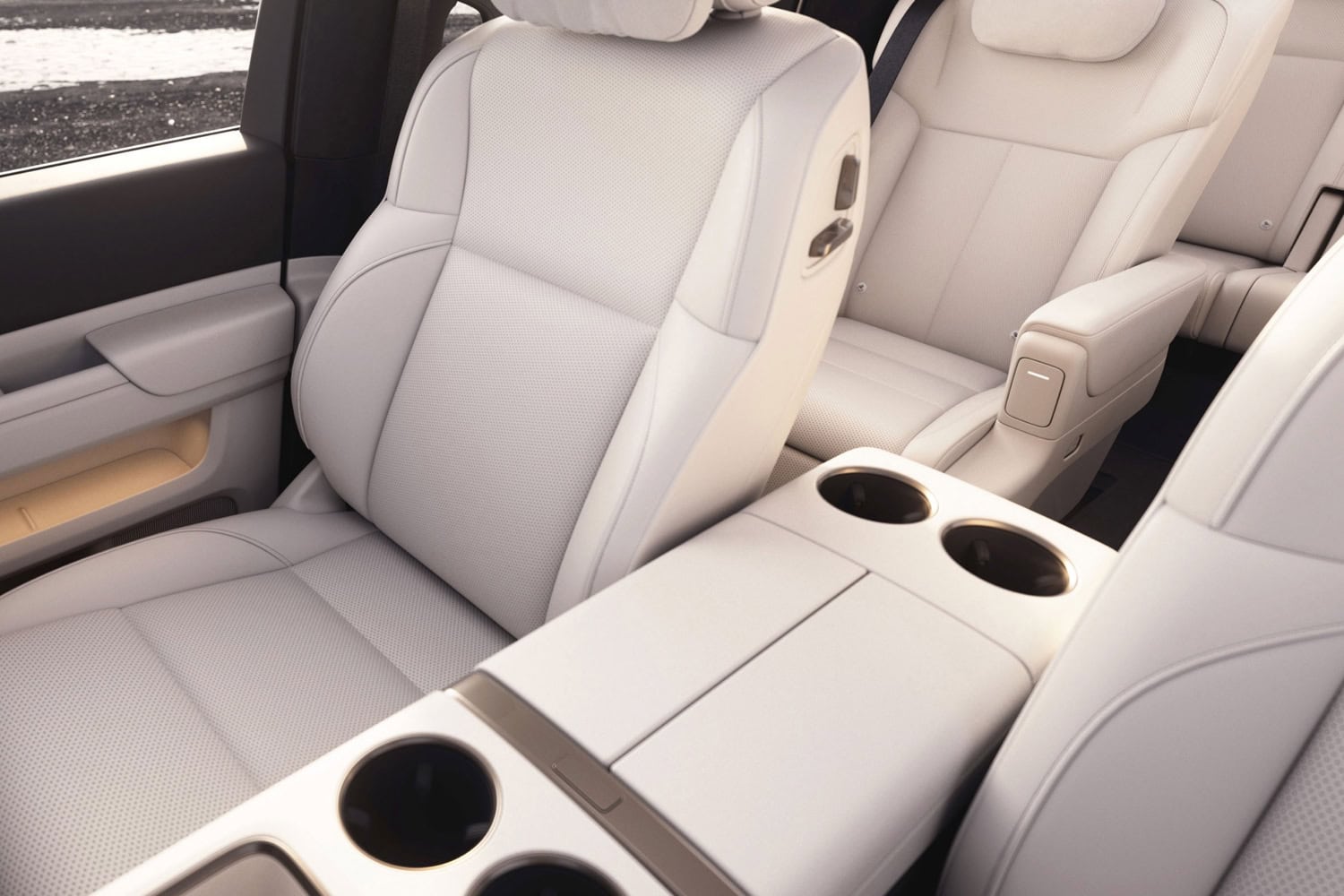
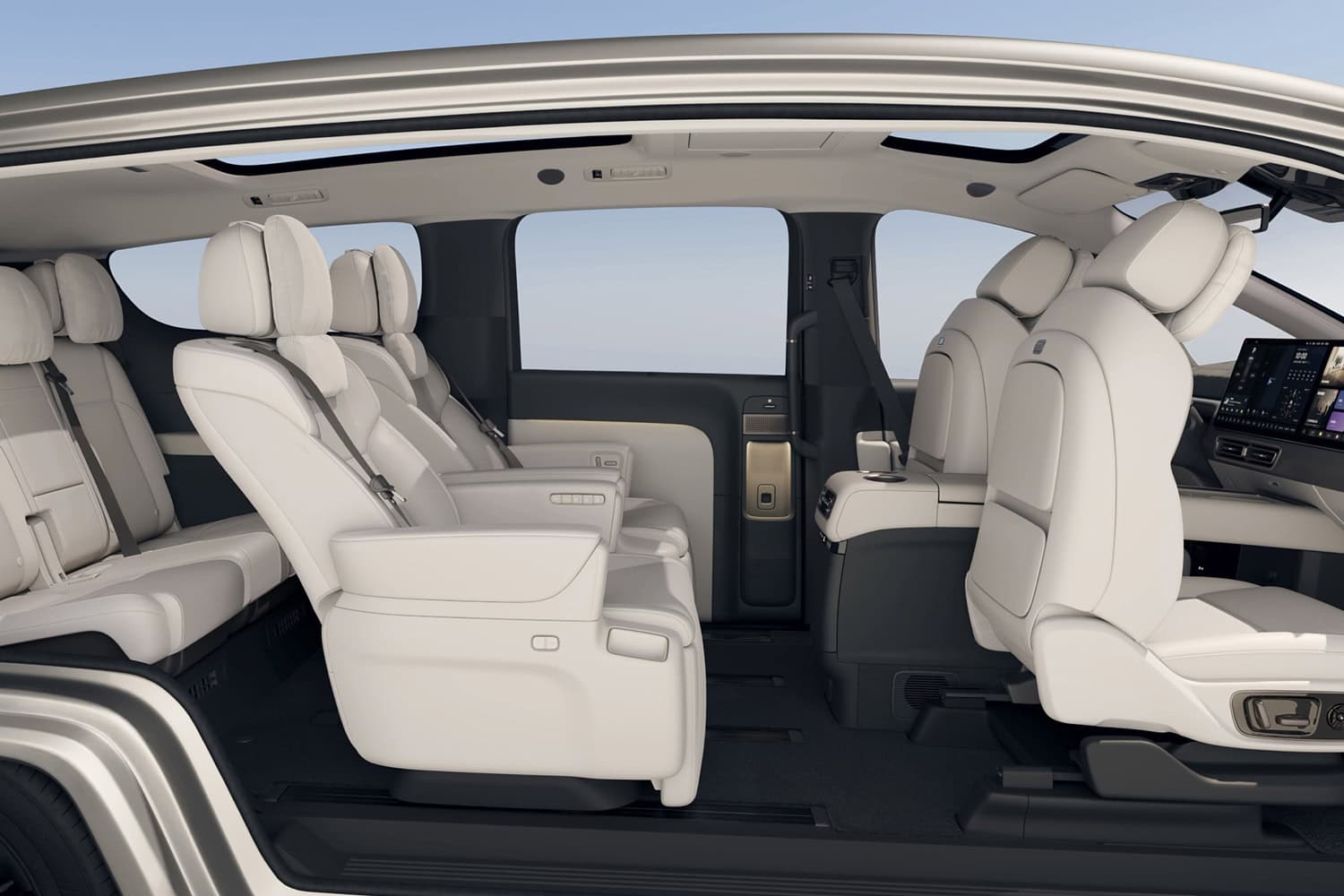
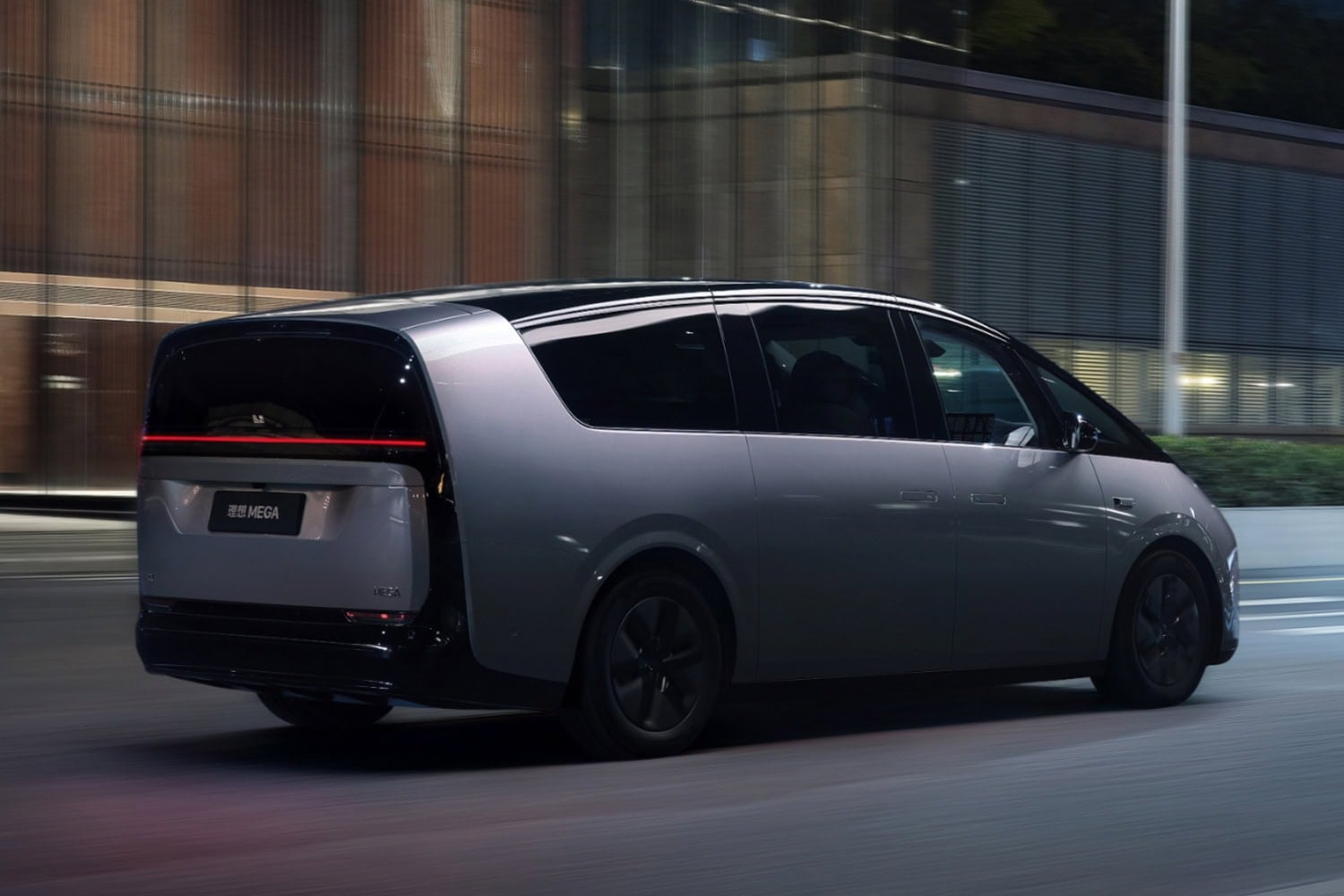
Can a van be aspirational? In China, the answer is a resounding yes. The Li Auto Mega proves that a people carrier can be both cool and luxurious — a sort of private jet for the road. It’s huge, futuristic and fast, capable of 0–60mph in around four seconds.
Inside, flexibility is key. It can serve as a high-end chauffeured shuttle or the ultimate family car, complete with entertainment screens and more legroom than most living rooms. The interior is minimalist but packed with clever touches: enormous digital displays, a glass-heavy cabin that floods with light, and seats that heat, cool, massage and even recline into zero-gravity mode.
Despite its size, the Mega’s aerodynamics are exceptional, making it surprisingly efficient. It’s an audacious vision of what luxury travel might look like in the EV era — part spaceship, part penthouse suite — and a reminder that Chinese brands are redefining categories Western automakers have long abandoned.
Avatr 11
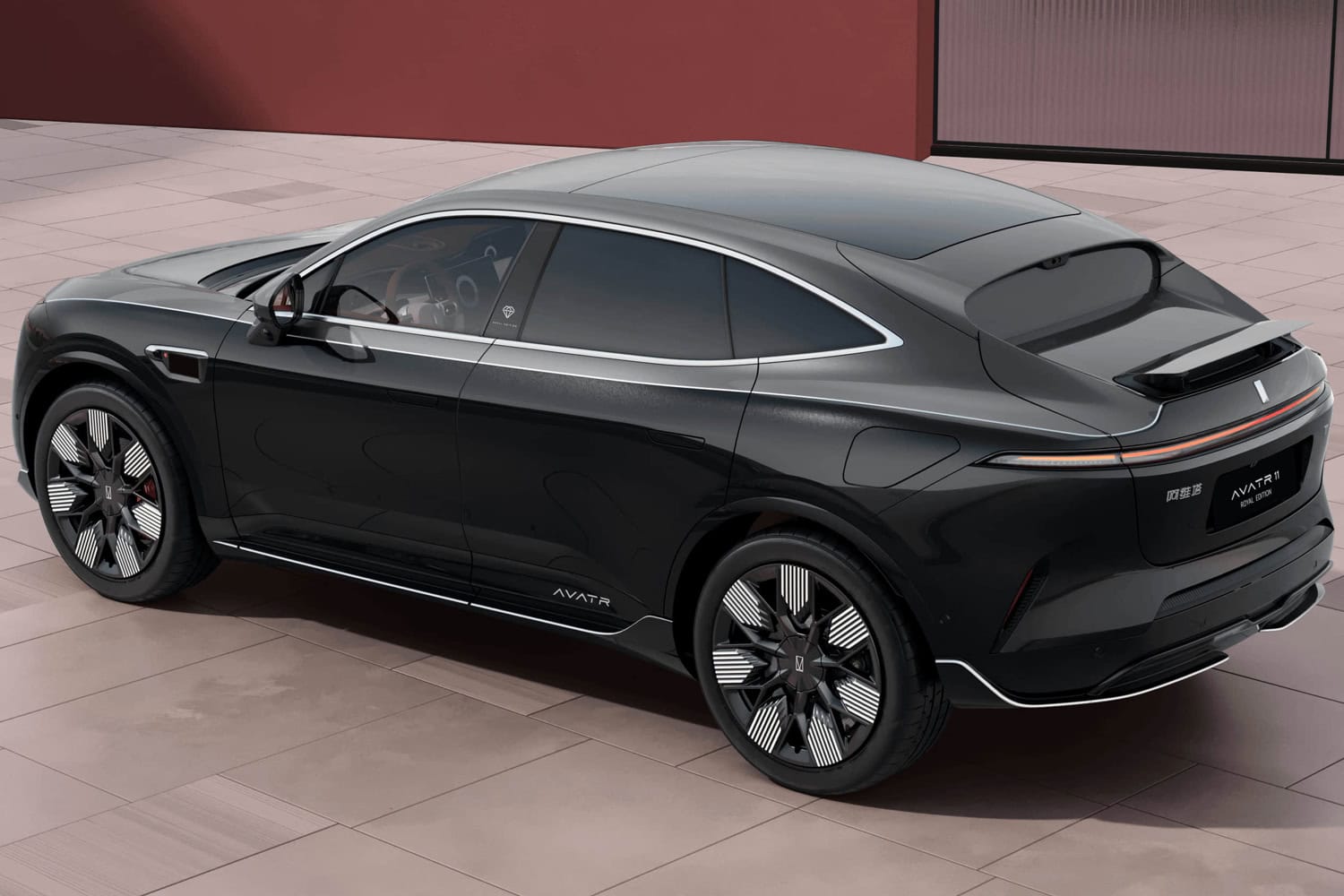
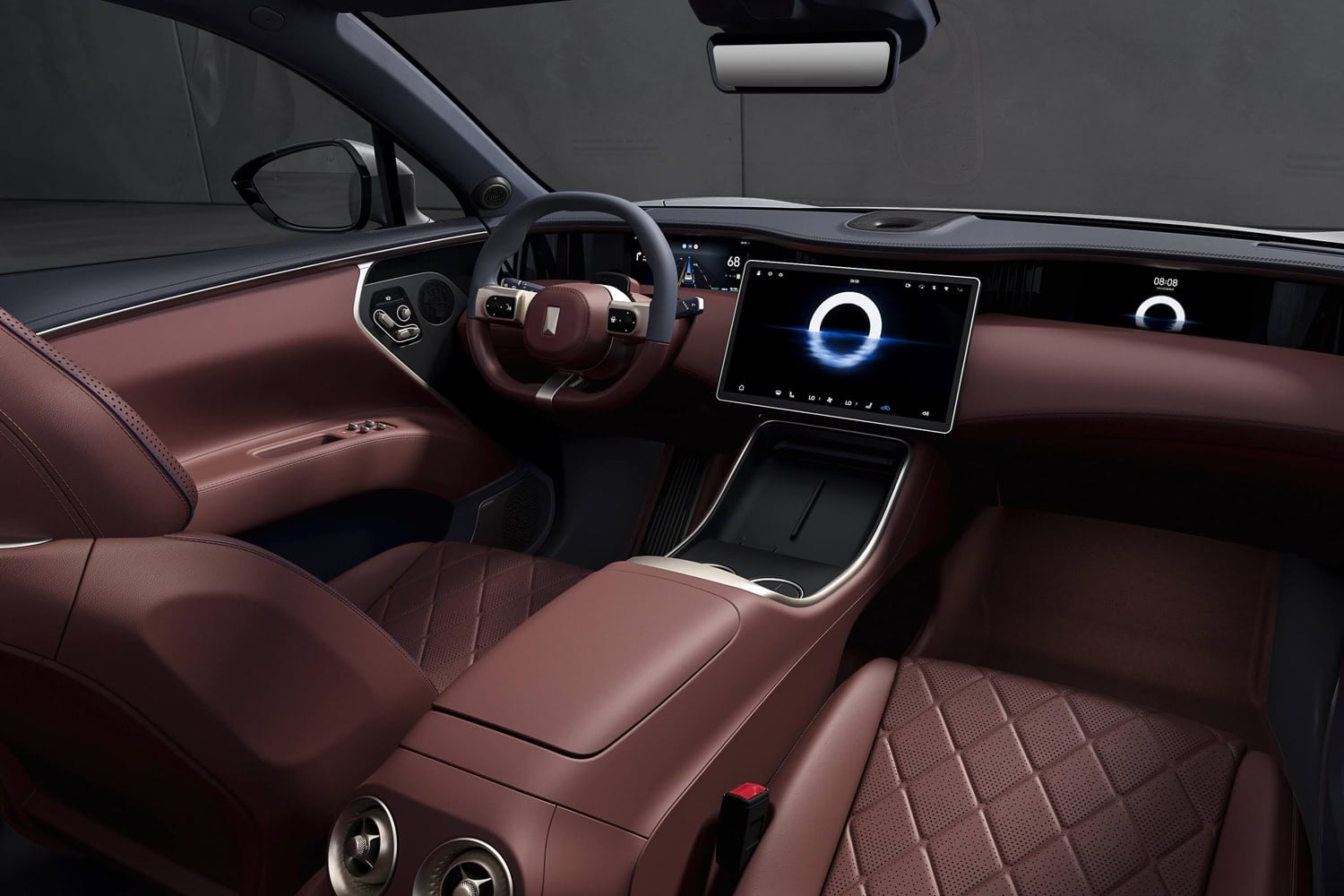
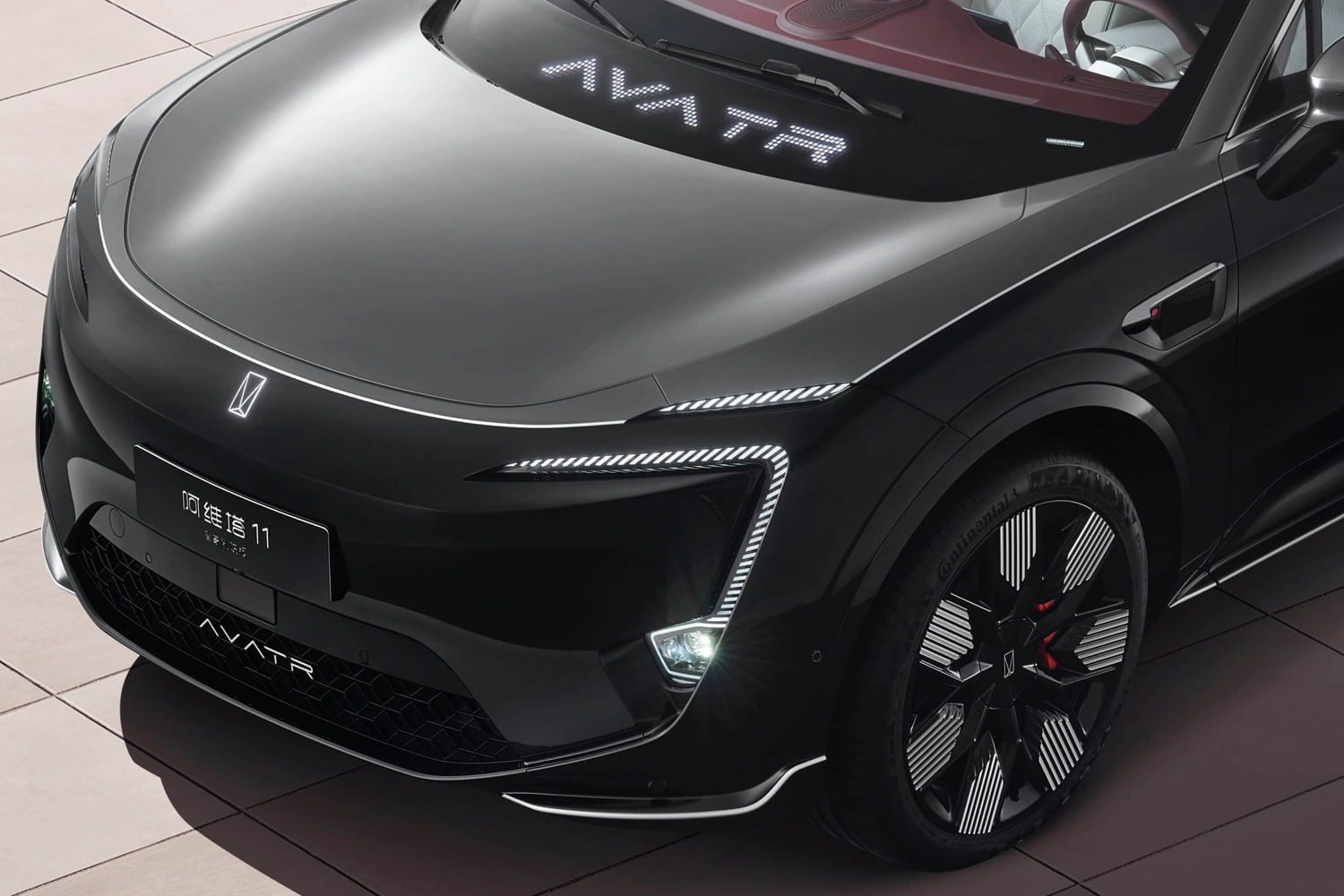
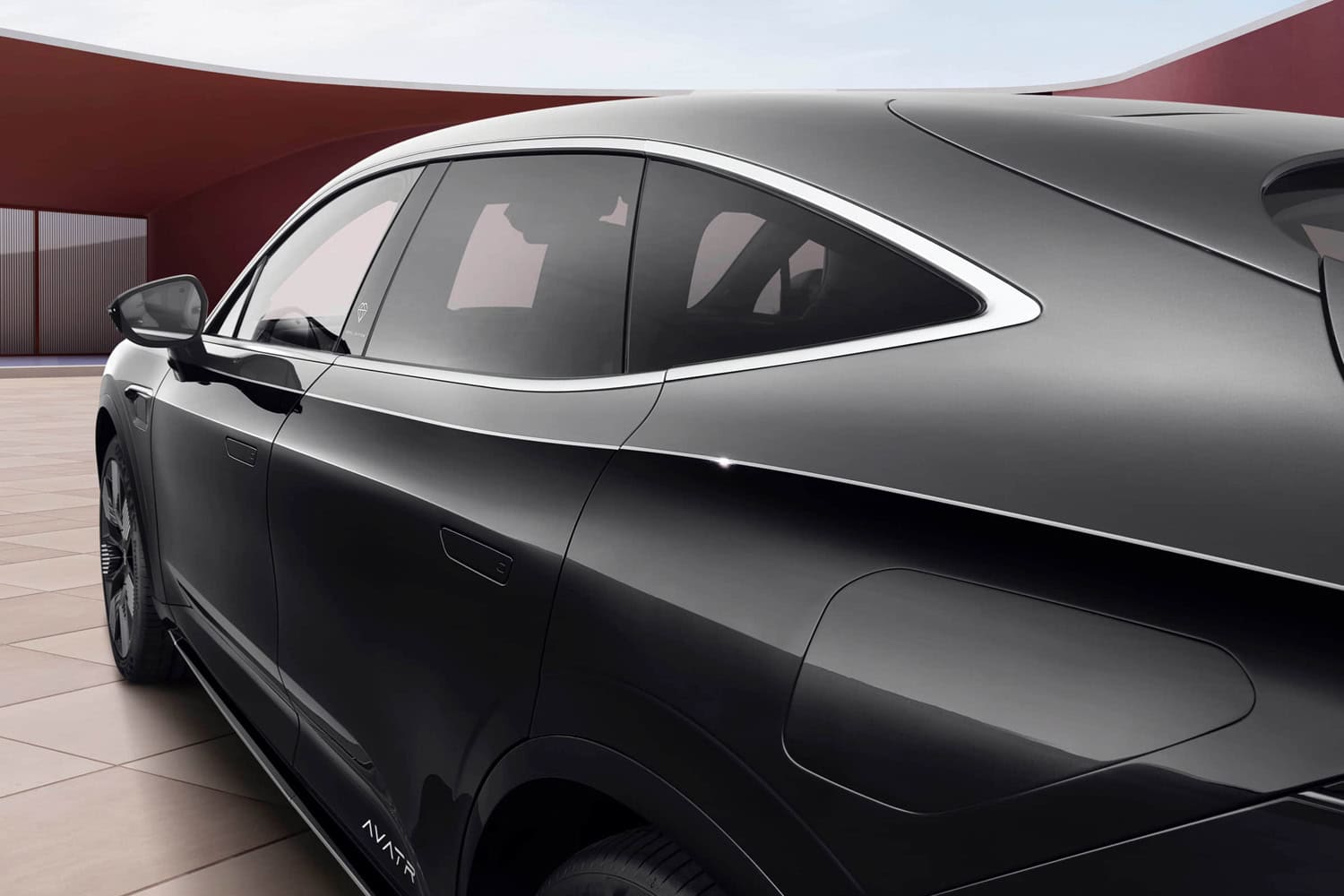
Avatr is one of the most intriguing Chinese brands to emerge in recent years. Created by the Changan conglomerate with support from Huawei, it’s pitched at the high end of the market and led by an ex-BMW designer — a detail that shows in the cars’ crisp lines and daring proportions.
The Avatr 11 (pronounced “one-one”) is a large luxury fastback targeting the Mercedes S-Class and Lucid Air. It’s arguably one of the boldest designs of the lot: no rear window, a panoramic windscreen that extends over the roof, and a floating cabin that looks like it’s been lifted straight from a sci-fi movie.
Inside, it’s just as distinctive — a minimalist digital dashboard set within sweeping architectural forms and ambient lighting that feels theatrical rather than gimmicky. It might not boast the extreme performance figures of a Xiaomi or BYD, but as a design statement, it’s unmatched. Avatr proves China isn’t just copying anymore; it’s confidently setting its own aesthetic direction.
Denza D9
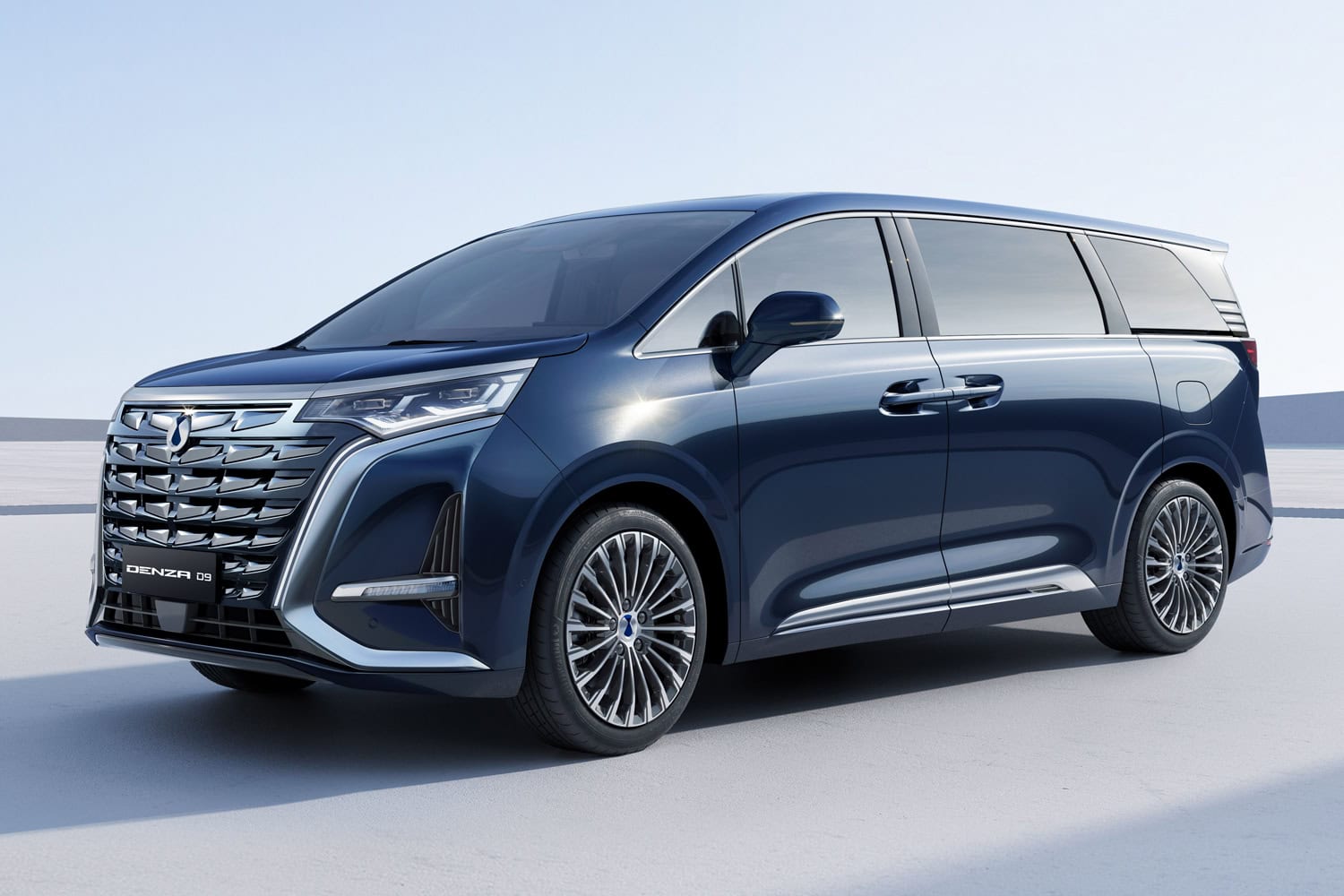
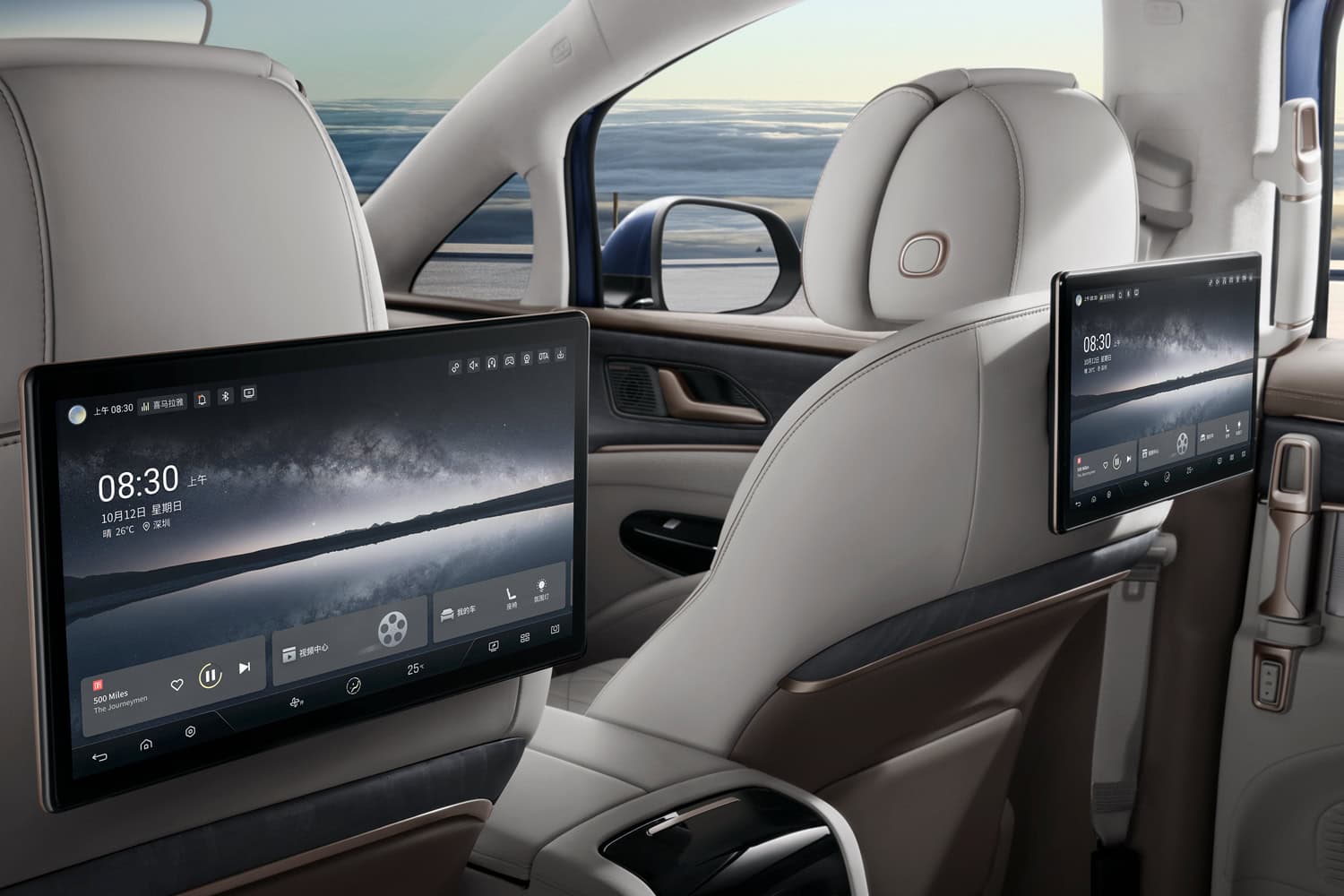
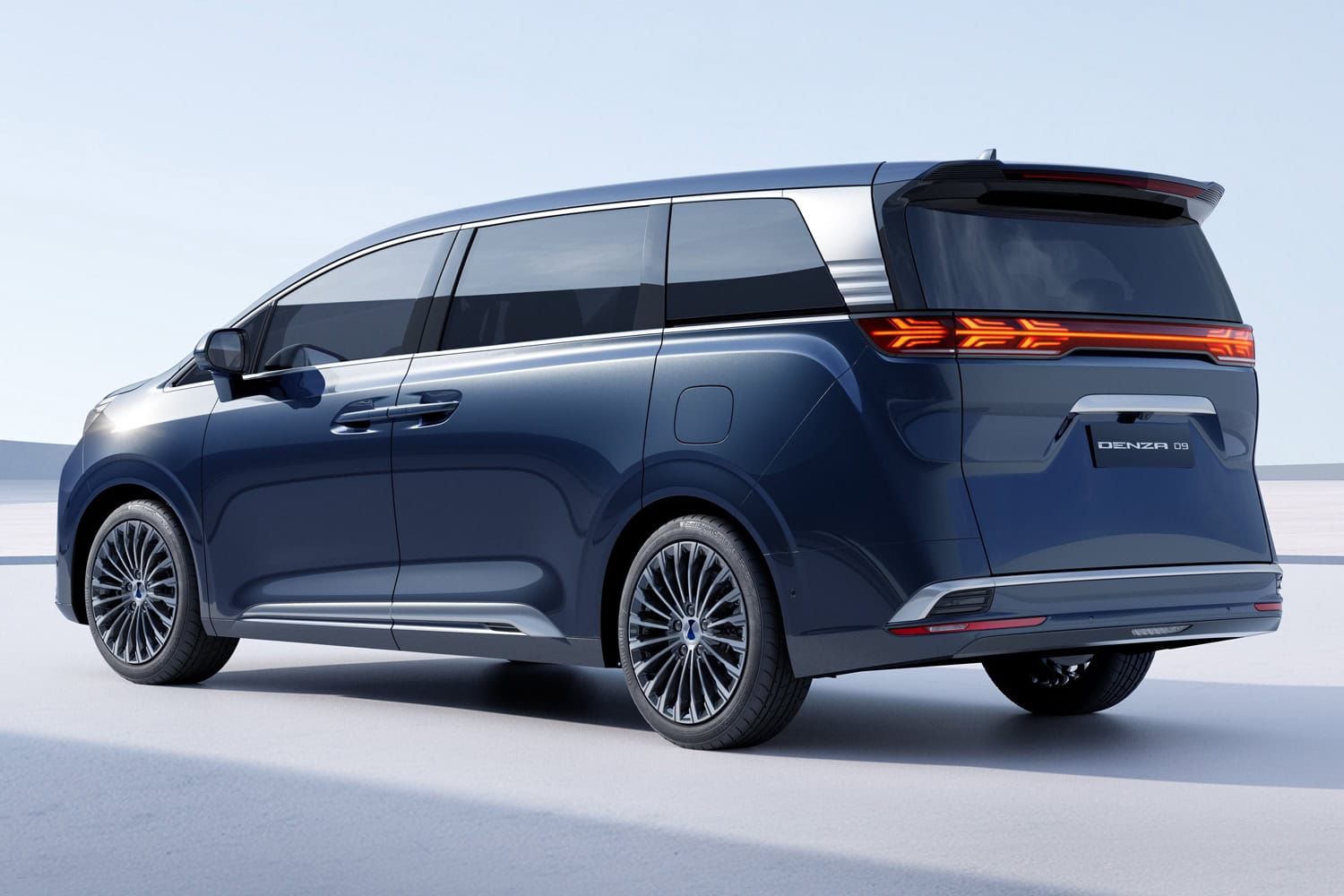
Denza is the premium arm of BYD — a company that quietly became the world’s biggest EV manufacturer. Founded as a battery maker more than four decades ago, BYD’s technical depth now underpins everything it builds. Denza, much like Lexus is to Toyota, exists to add luxury polish to that engineering power.
The D9 showcases this perfectly. It’s a full-size MPV loaded with innovation, from rear-wheel steering and adaptive damping to a torque-vectoring system that can send power to individual wheels for precise low-speed manoeuvres.
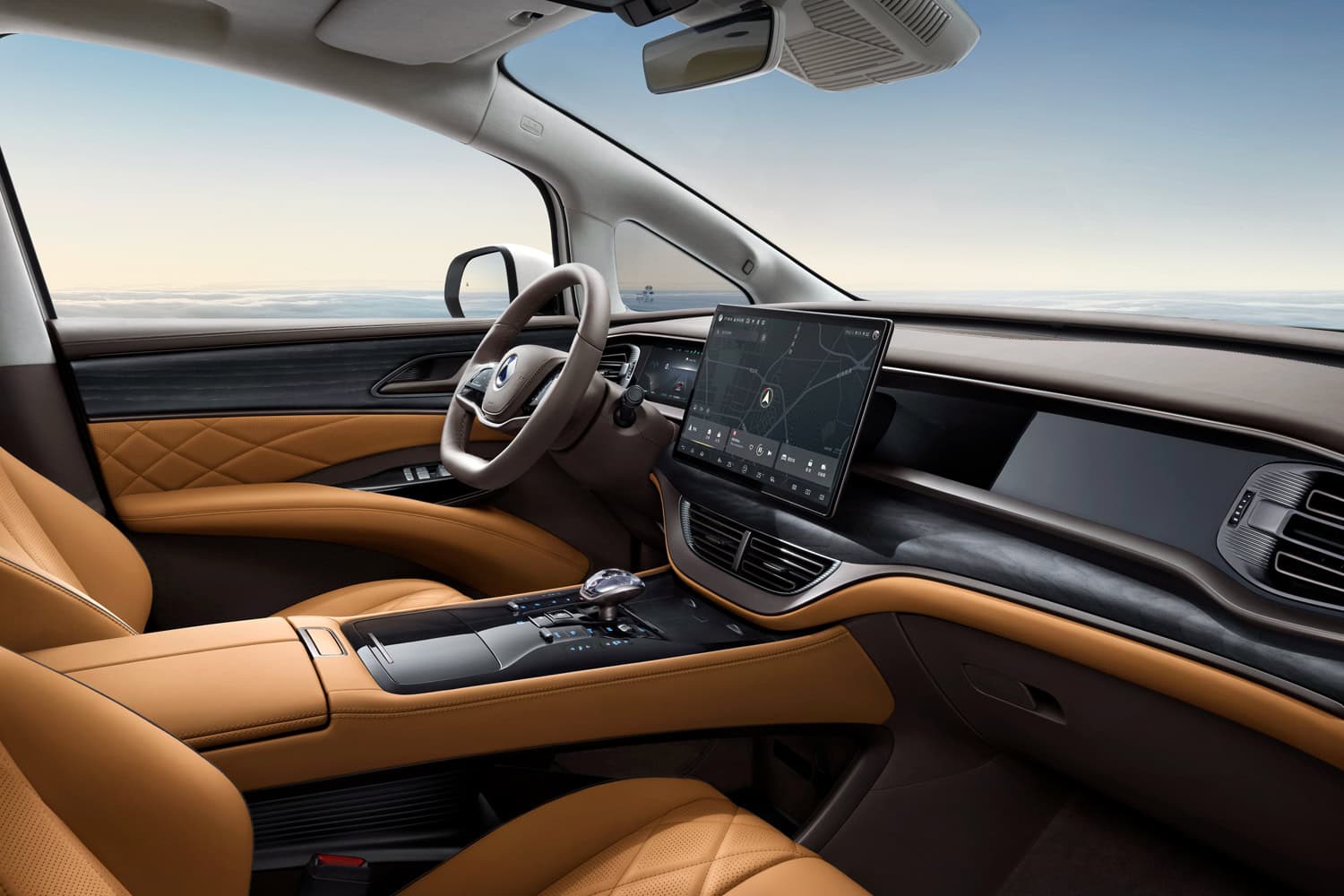
Inside, Denza takes excess to a new level. Almost every surface moves or adjusts electrically — from heated armrests to powered window blinds. The attention to detail borders on obsessive. It’s decadent but also showcases China’s growing capability for craftsmanship and finish. Once considered the weak link in Chinese manufacturing, interior quality is now one of its biggest strengths.
Xpeng P7
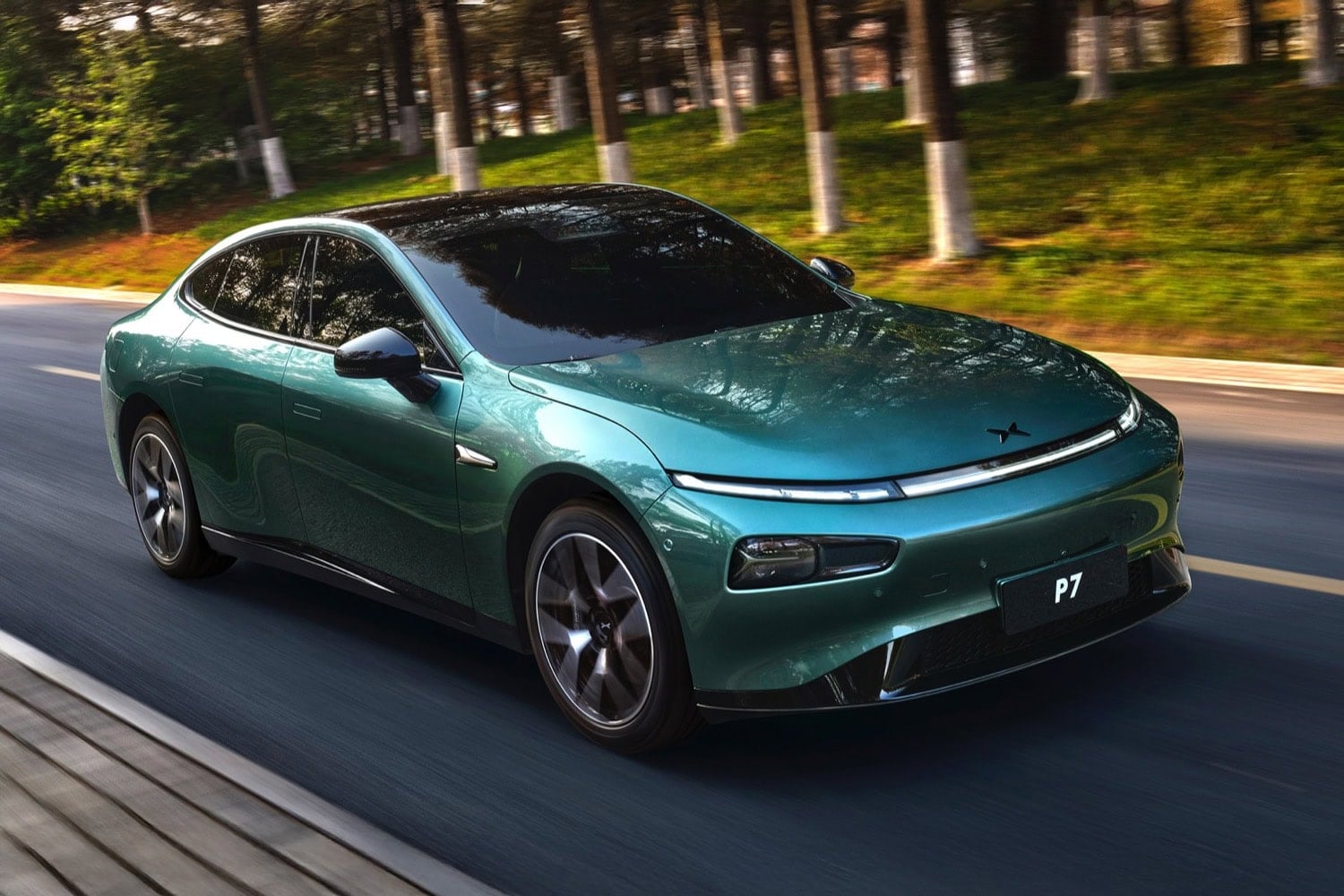
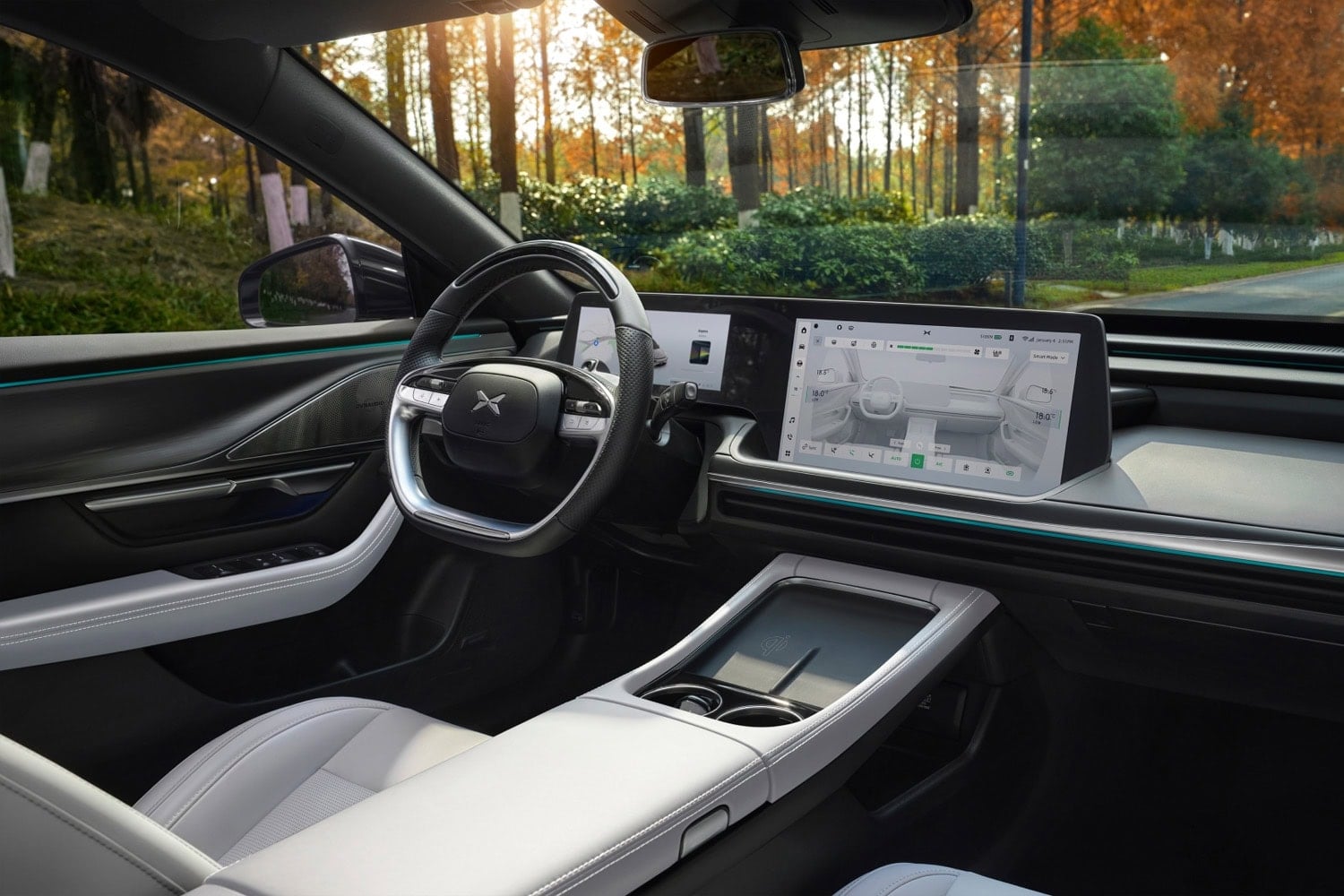
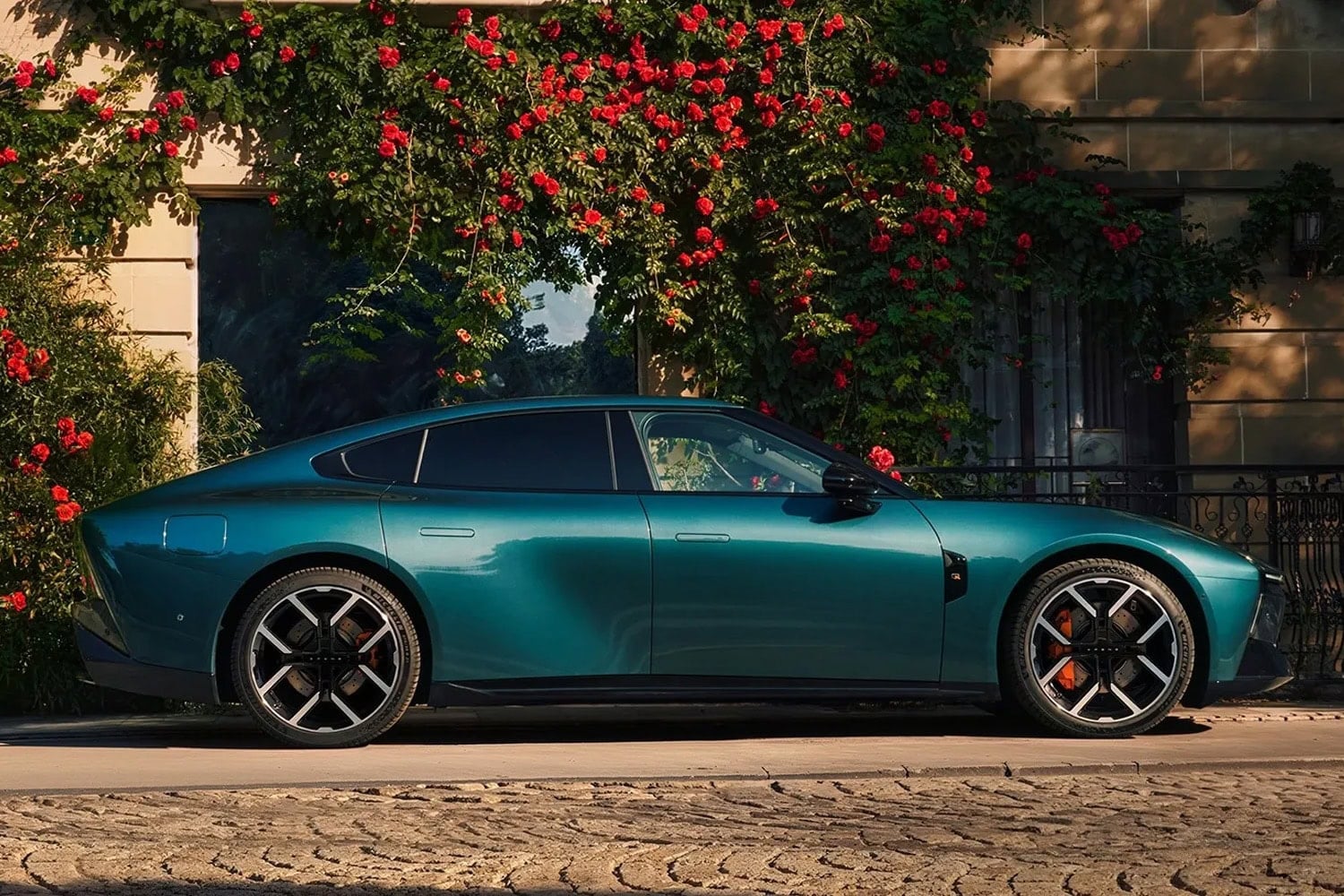
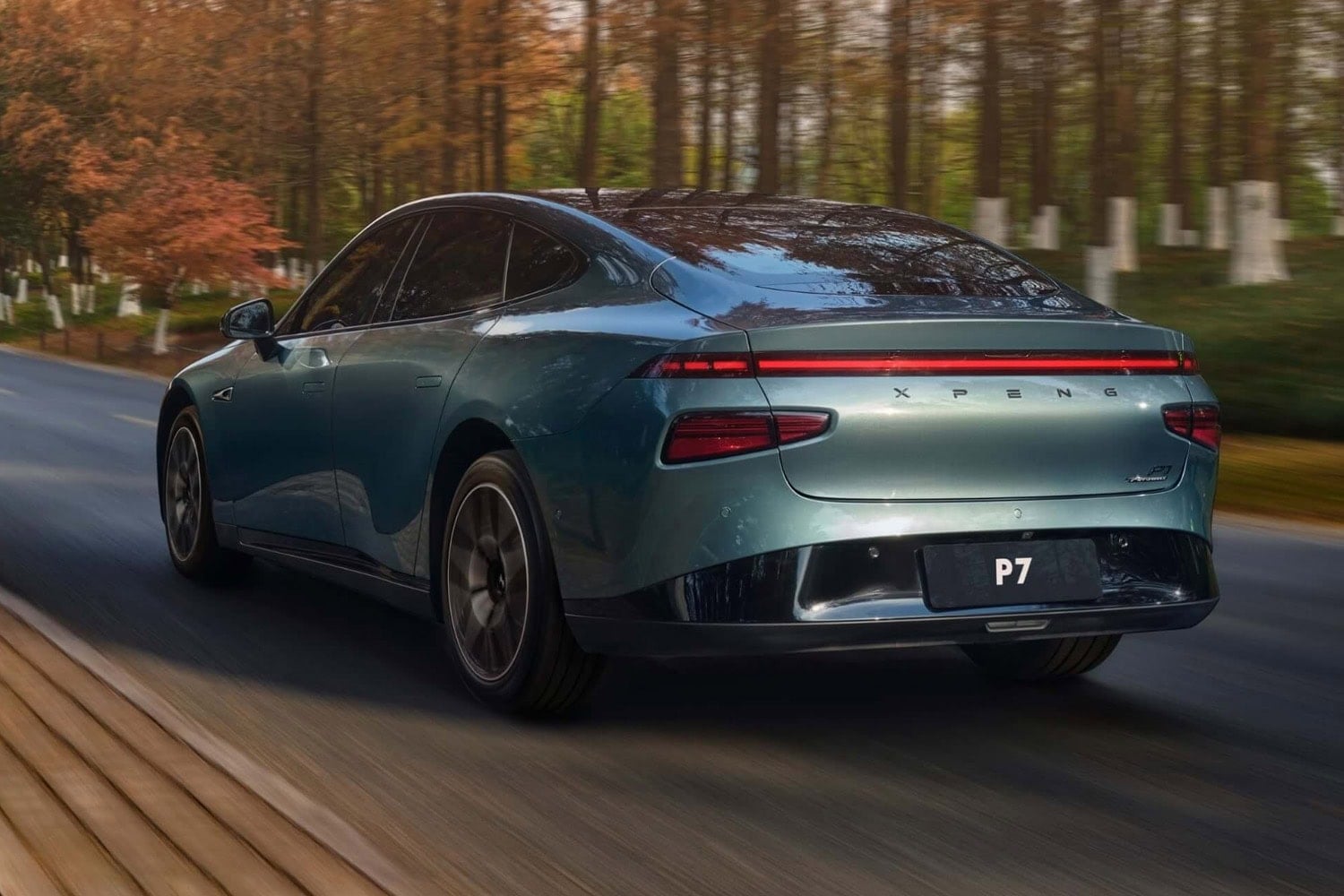
While most Chinese EVs chase sheer speed and tech overload, the Xpeng P7 takes a more refined route. Roughly the size of a Porsche Taycan, it’s designed around balance and driver feel — qualities once absent from Chinese cars.
The P7’s chassis tuning was overseen by engineers with European experience, and it shows: the steering is sharp, the suspension composed, and the ride genuinely sophisticated. Its design is refreshingly restrained, too — sleek and cohesive, with subtle hints of classic grand tourers like the Rover Vitesse or Ferrari Daytona in its silhouette.
Inside, it’s clean and tech-forward without feeling cold. Xpeng has managed to inject a sense of soul into the EV experience — something even established brands still struggle to achieve.
Honourable Mention: Xiaomi YU7
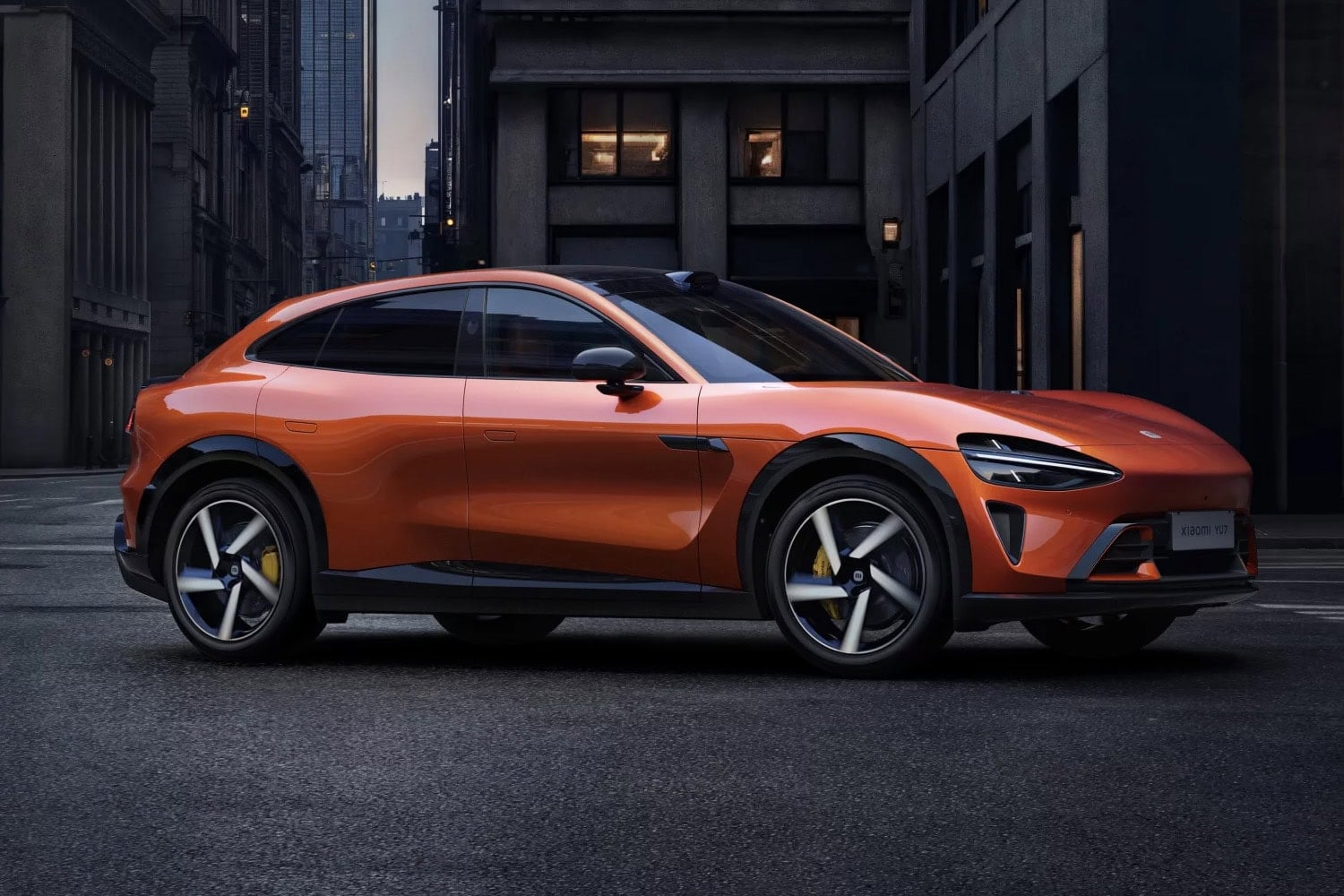
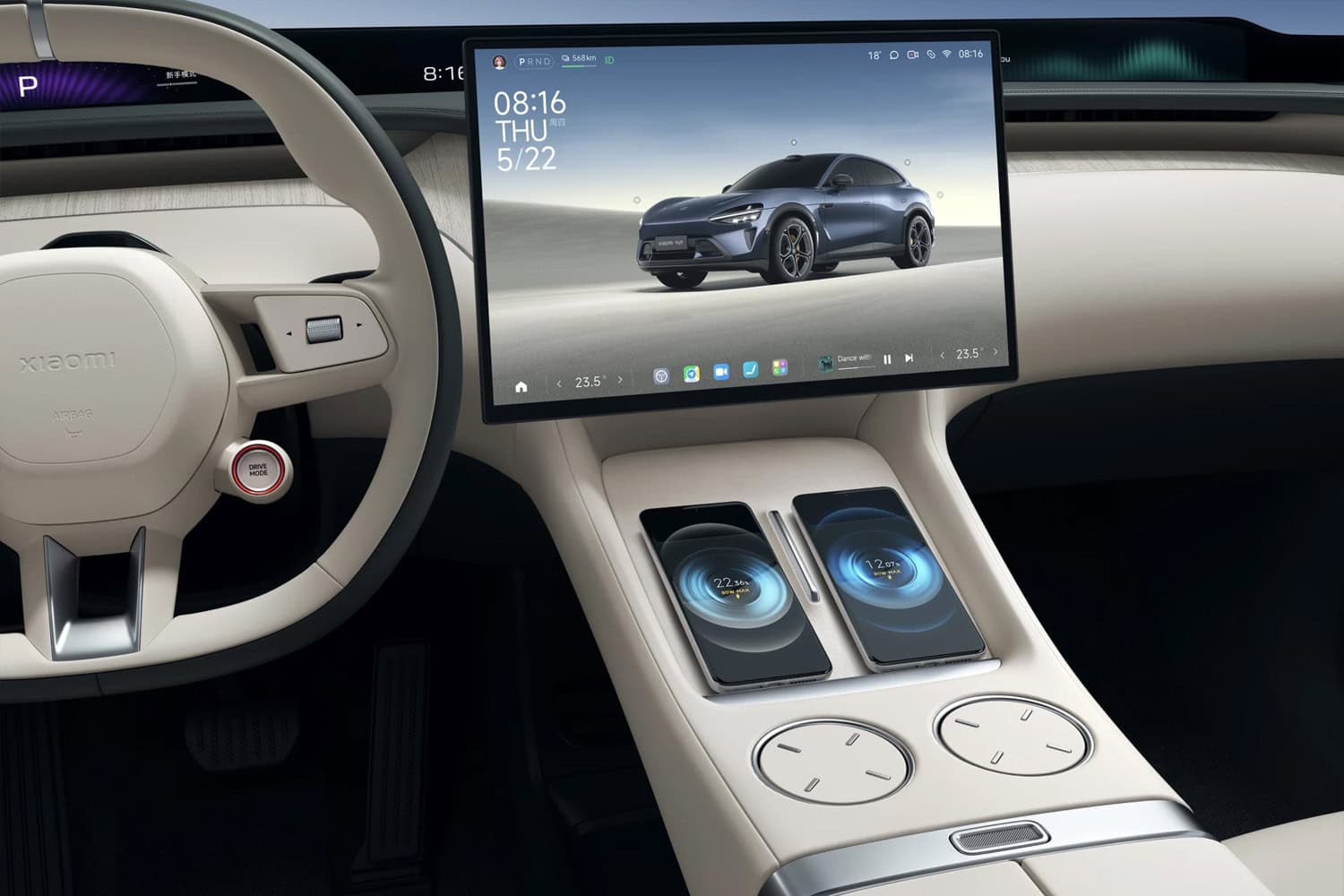
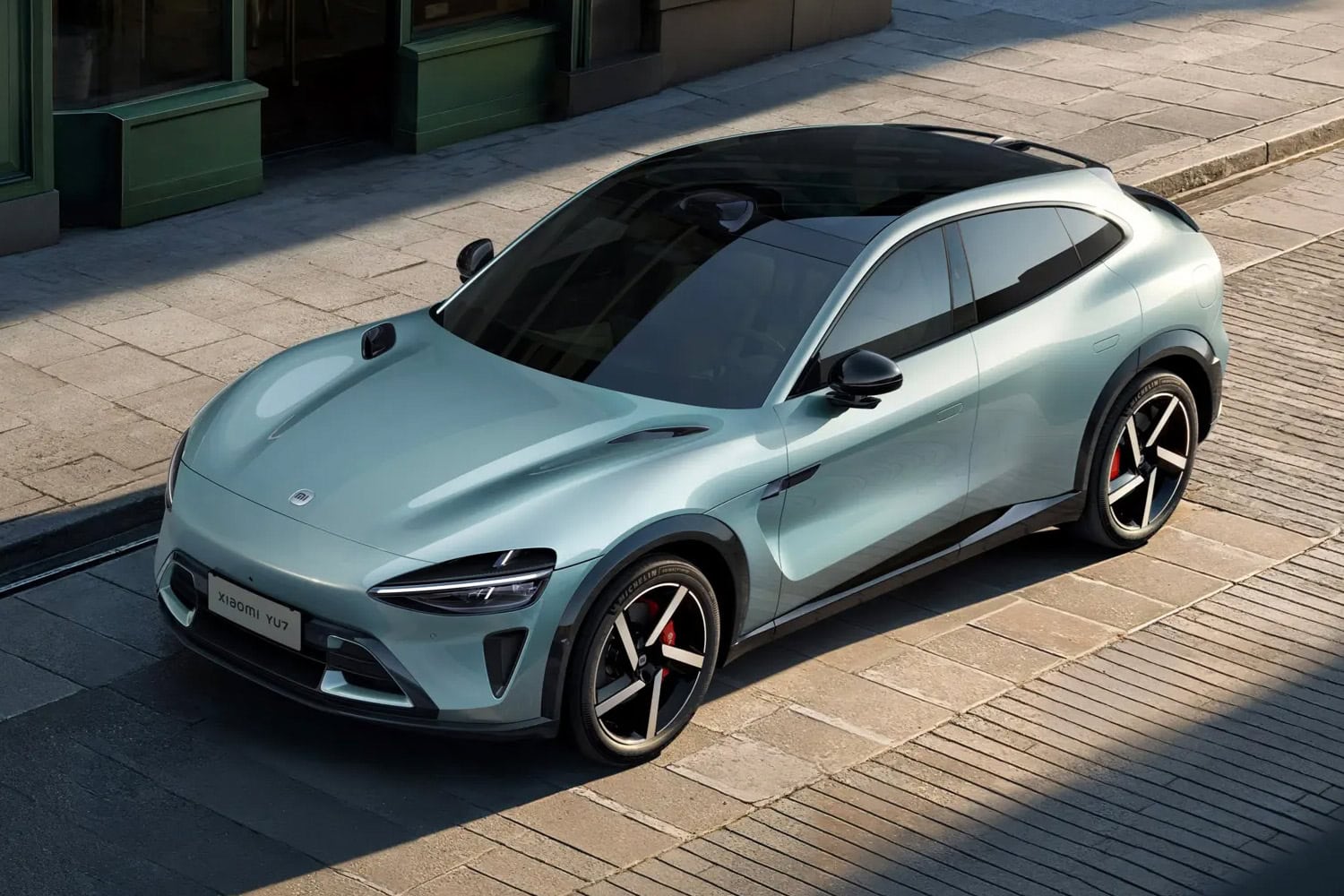
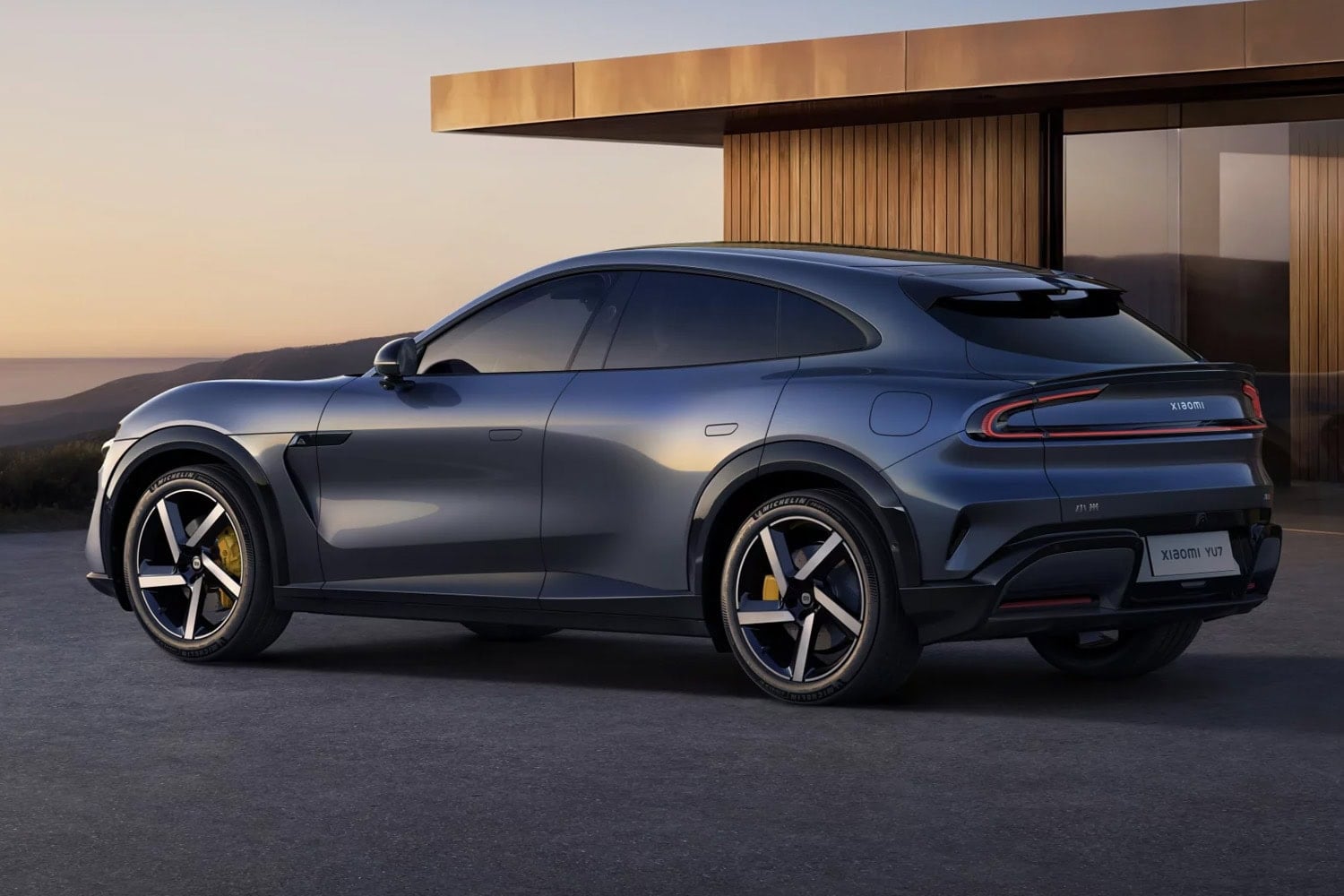
If the SU7 proved Xiaomi could build a car, the YU7 shows it can build an empire. The SUV version of the brand’s breakout saloon takes everything that worked about the original and packages it in a more fashionable, family-friendly form.
It’s already a runaway success in China, with waiting lists stretching years. Its styling might not be revolutionary — there’s more than a hint of Ferrari Purosangue and McLaren in its lines — but customers clearly don’t mind. It’s fast, luxurious and perfectly tuned to modern tastes.
With Xiaomi’s European expansion plans well underway, expect the YU7 to become one of the brand’s first global hits. It’s less a case of if these cars arrive, and more when — and judging by the speed at which Chinese manufacturers are evolving, the answer is sooner than you think.